Aligning ibc size with media business travel demand patterns
Media business travel programs increasingly depend on precise ibc size planning to stabilize hotel and airline cost structures. When travel managers understand how each intermediate bulk container and each ibc size influences upstream logistics, they can better anticipate rate pressure on accommodation, meetings, and production travel. This alignment between ibc size decisions and demand forecasting becomes critical when large events, roadshows, or film productions compress timelines.
In hospitality supply chains, the choice of ibc or multiple ibcs for cleaning chemicals, laundry detergents, and food grade ingredients affects storage footprints and handling workflows. A standard ibc container with a capacity close to 275 gallon can consolidate several drums into one bulk container, reducing pallet movements and labour. However, if the ibc size or the ibc tank dimensions are misaligned with hotel consumption, excess stock ties up cash and increases the risk of expired materials.
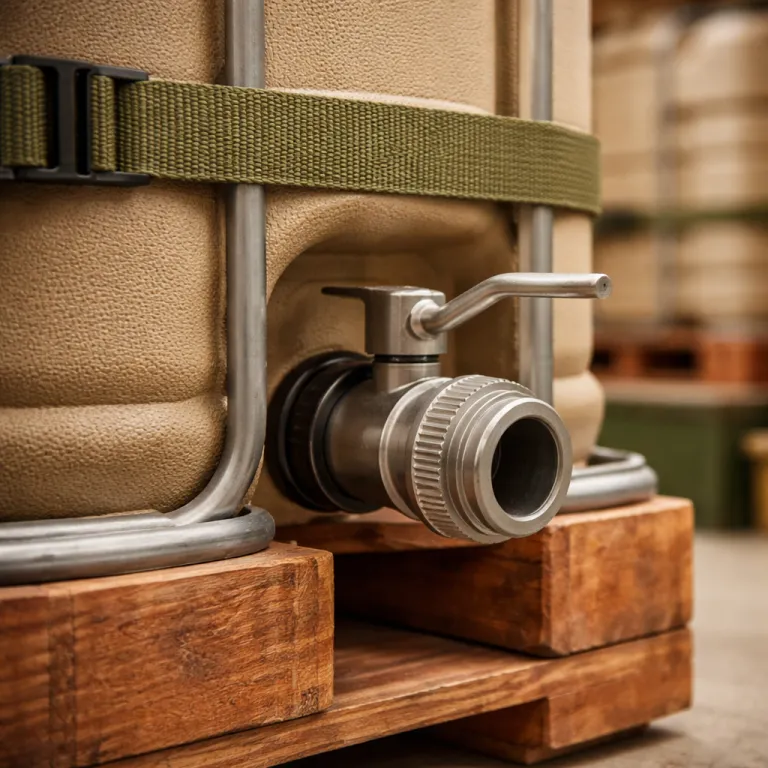
Corporate buyers must evaluate whether each container or group of containers fits the operational rhythm of their preferred hotel partners. For example, a caged ibc used for housekeeping chemicals may offer excellent capacity in gallons but require a specific pallet base and handling equipment. When travel managers negotiate strategic agreements, they should ask how ibc containers, ibc tanks, and ibc totes are integrated into the property’s back of house logistics, because this directly influences service reliability during peak media business travel periods.
By mapping ibc size, container dimensions, and pallet configurations to occupancy forecasts, mobility managers can support more resilient hospitality operations. This approach helps airlines, hotel groups, and B2B travel agencies stabilise costs for dangerous goods such as aviation cleaning agents transported in compliant ibc containers. It also improves the safety profile for hazardous materials, ensuring that every ibc tote or gallon tote used in the chain respects international standards while supporting uninterrupted guest experiences.
From gallon to volume strategy: translating ibc dimensions into financial KPIs
Financial directors and procurement leaders increasingly treat ibc size as a lever for total cost of ownership rather than a purely technical specification. When a hotel laundry facility shifts from smaller containers to a single ibc container or several ibc containers ibcs, the change in volume and base size can significantly alter transport frequency and storage costs. Each gallon ibc or gallon tote must therefore be evaluated not only for capacity in gallons but also for its impact on working capital and cash flow.
In practice, this means modelling how different ibc sizes, tote formats, and pallet layouts affect delivery schedules to media focused hotels and production hubs. A stainless steel ibc tank with high capacity may reduce the number of bulk containers required, yet its higher purchase price and cleaning requirements must be amortised across multiple media business travel projects. Conversely, plastic composite ibcs can lower upfront costs but may demand more frequent replacement, especially when handling aggressive materials or hazardous materials.
Travel buyers can integrate these logistics variables into their RFPs, particularly when negotiating with hotel chains that support large media crews. By asking suppliers to detail their use of ibc totes, ibc tanks, and intermediate bulk solutions, buyers gain visibility into how packaging and containers influence service continuity. Case studies from executive mobility programs, such as those highlighted in analyses of executive hospitality programs for media travel, show that upstream efficiency often translates into more stable nightly rates.
Ultimately, the right ibc size strategy balances volume, dimensions, and pallet base compatibility with the realities of hotel basements and urban loading docks. Finance teams should track KPIs that connect ibc tote utilisation, bulk container rotation, and ibc container cleaning cycles to cost per occupied room. This granular view of containers, totes, and tanks helps corporate travel programs secure predictable pricing while maintaining strict compliance for dangerous goods and other sensitive materials.
Material choices for ibc containers and their impact on hospitality risk management
The choice between plastic, steel, stainless steel, and carbon steel for each ibc container has direct implications for risk management in hospitality environments. Media business travel often concentrates high profile guests and sensitive equipment in a single property, which raises the stakes for any incident involving hazardous materials. When hotels store cleaning agents, fuels, or technical liquids in ibc tanks or ibc totes, the material and ibc size of each unit influence both safety and insurance conditions.
Plastic composite ibcs are widely used for non aggressive materials because they offer a favourable balance between weight, capacity, and cost. However, when dealing with dangerous goods or high value materials, many operators prefer stainless steel ibc tanks or carbon steel bulk containers that provide superior resistance and fire performance. Certain IBCs are UN/DOT certified for hazardous materials. This certification is particularly relevant for airport hotels and airline lounges that handle specialised cleaning chemicals in intermediate bulk formats.
Travel managers should understand how these technical decisions cascade into service reliability for frequent flyers and media crews. A caged ibc with a robust pallet base may reduce the risk of puncture during handling, while a correctly specified ibc size ensures that tanks and totes are not overfilled. Reviews of premium airline products, such as the detailed assessment of Lufthansa Premium Economy for media business travel decision makers, remind buyers that behind every cabin upgrade lies a complex ground operation supported by safe bulk containers.
By engaging directly with IBC Manufacturers, logistics companies, and end users, corporate buyers can verify that ibc containers ibcs and bulk container fleets meet both regulatory and brand standards. This due diligence should extend to cleaning protocols, reuse cycles, and the traceability of each ibc tank or gallon tote. In doing so, hospitality partners can maintain impeccable safety records while supporting the demanding schedules of media business travel.
Designing standard ibc size frameworks for global hotel and airline networks
Global hospitality and airline networks benefit from standard ibc size frameworks that harmonise packaging and handling across regions. When a group defines a preferred ibc container footprint, including base size, pallet dimensions, and typical capacity in gallons, it simplifies procurement and training for staff. This standardisation is especially valuable for media business travel corridors where rapid deployment of resources is common.
Common practice is to align ibc totes and bulk containers with standard pallet sizes to optimise warehouse and truck loading. A typical ibc tote with a footprint close to 48 inches by 40 inches integrates smoothly into intermodal logistics, reducing repositioning and damage. Manufacturing methods that prioritise stackability and pallet compatibility ensure that containers, ibcs, and ibc tanks can be moved efficiently between central warehouses and city centre hotels.
Corporate travel buyers can encourage their preferred suppliers to adopt such standard frameworks, particularly when negotiating multi country agreements. By referencing ibc size, intermediate bulk specifications, and ibc container materials in sustainability and risk questionnaires, they push the market toward safer and more efficient solutions. Articles on strategic innovations shaping business travel and hospitality show that upstream standardisation often supports better payment, reporting, and ESG performance.
For airlines and hotel chains, a consistent approach to ibc containers ibcs and bulk container fleets also facilitates the adoption of smart monitoring systems. Sensors can track volume, temperature, and movement across thousands of tanks, totes, and containers, providing real time data to operations and finance teams. This visibility allows travel managers and procurement leaders to correlate ibc size utilisation with occupancy, flight schedules, and media production calendars, strengthening both resilience and cost control.
Integrating ibc logistics into media business travel RFPs and SLAs
Media business travel RFPs increasingly extend beyond room rates and airfares to include operational resilience, sustainability, and safety criteria. Within this broader scope, ibc size, ibc container specifications, and bulk container management become relevant levers for differentiation among hotel and airline bidders. Travel managers can request detailed information on how suppliers handle containers, ibcs, and ibc tanks that store critical materials supporting guest services.
Service level agreements should specify expectations for the maintenance and cleaning of each ibc tote, ibc tank, and gallon tote used on property. Can IBCs be reused? Yes, many IBCs are designed for multiple uses with proper cleaning. This reuse potential supports both cost efficiency and environmental goals, provided that containers and totes are inspected and certified between cycles. For media intensive properties, where occupancy spikes can be extreme, robust ibc containers ibcs management reduces the risk of service disruption.
Procurement teams can also integrate questions about materials, such as whether plastic composite ibcs or stainless steel tanks are used for hazardous materials and dangerous goods. What materials are IBCs made from? Common materials include high-density polyethylene (HDPE) and stainless steel. By clarifying which materials and ibc sizes are deployed for which materials, buyers can assess alignment with their corporate risk appetite and ESG commitments.
Finally, RFPs should encourage innovation, including collapsible intermediate bulk solutions that save space when empty and reduce transport emissions. Are IBCs suitable for hazardous materials? Certain IBCs are UN/DOT certified for hazardous materials. When these certified ibc containers, bulk containers, and caged ibc units are integrated into SLAs, media business travel programs gain both transparency and assurance that critical back of house operations will support their most demanding projects.
Future ready ibc strategies for sustainable and data driven hospitality
The next phase of media business travel optimisation will rely on data rich, sustainable ibc strategies embedded across hospitality supply chains. As hotels and airlines adopt recyclable materials and smarter monitoring for each ibc container, they gain granular insight into volume, turnover, and waste. This information allows travel managers and financial directors to link ibc size decisions directly to carbon reporting and cost per trip.
Smart sensors attached to ibc totes, ibc tanks, and bulk containers can transmit real time data on fill levels, temperature, and movement. When aggregated across fleets of containers, ibcs, and caged ibc units, these datasets reveal patterns in consumption linked to media production calendars and major events. Mobility managers can then adjust procurement and storage strategies, ensuring that pallet bases, base size choices, and container dimensions match actual demand.
Sustainability teams will increasingly favour plastic composite ibcs and stainless steel tanks that support high reuse rates and easy recycling at end of life. By standardising ibc size and pallet configurations, organisations reduce partial loads and empty runs, which lowers emissions across the network. For travel buyers, this translates into stronger ESG narratives when presenting media business travel programs to internal stakeholders and clients.
Ultimately, integrating ibc container strategy into corporate travel governance elevates the conversation from transactional buying to long term partnership. Airlines, hotel groups, and B2B agencies that master intermediate bulk logistics will be better positioned to support complex media itineraries without compromising safety or sustainability. For decision makers, understanding how every gallon ibc, gallon tote, and ibc tote contributes to operational excellence becomes a subtle but powerful source of competitive advantage.
Key quantitative insights on ibc size and capacity
- Standard intermediate bulk containers frequently offer a capacity close to 275 gallons, consolidating multiple smaller drums into a single ibc container.
- Common ibc tote footprints are designed around approximately 48 inches in one dimension, aligning with standard pallet and truck configurations.
- Stackable ibc containers and bulk containers can significantly reduce warehouse space requirements compared with traditional smaller packaging.
- Recyclable plastic and stainless steel ibc tanks support multiple reuse cycles when combined with robust cleaning and inspection protocols.
Frequently asked questions about ibc size in hospitality and media business travel
How does ibc size influence hotel and airline operating costs ?
IBC size affects how efficiently hotels and airlines store and transport liquids and other materials that support guest services. Larger ibc containers and ibc totes can reduce delivery frequency and handling costs, but they require sufficient storage space and appropriate pallet base equipment. Optimising dimensions, capacity in gallons, and container materials helps operators balance cost, safety, and flexibility for media business travel peaks.
Which ibc materials are most suitable for hazardous materials in hospitality ?
For hazardous materials and dangerous goods, stainless steel and carbon steel ibc tanks or certified composite ibcs are often preferred. These materials provide strong resistance to impact, temperature, and chemical aggression, which is essential in dense hospitality environments. Operators should select UN/DOT certified ibc containers and bulk containers and ensure that staff are trained in safe handling procedures.
Why should travel managers care about ibc containers used by their suppliers ?
Although ibc containers and ibc totes operate behind the scenes, they directly influence service reliability, safety, and sustainability. Poorly specified ibc size or inadequate container materials can lead to stockouts, incidents, or higher emissions that ultimately affect guest experience and corporate ESG performance. Travel managers who understand these links can negotiate more robust SLAs and choose partners better aligned with media business travel requirements.
How can standardising ibc size improve global hospitality programs ?
Standardising ibc size, pallet dimensions, and base size across regions simplifies procurement, training, and logistics for hotel and airline networks. It enables consistent handling of containers, ibcs, and bulk containers, reduces damage, and supports the deployment of smart monitoring technologies. For global media business travel programs, this consistency translates into more predictable service levels and easier benchmarking of supplier performance.
What role do smart monitoring systems play in managing ibc fleets ?
Smart monitoring systems attached to ibc containers, ibc tanks, and caged ibc units provide real time data on volume, location, and condition. This visibility helps operators optimise delivery routes, reduce waste, and anticipate maintenance or cleaning needs for reusable ibc totes and bulk containers. For corporate travel buyers, such capabilities signal a mature, data driven approach to supporting complex media business travel operations.