Lufthansa premium economy review through a media business travel lens
For travel managers and procurement leaders, any Lufthansa premium economy review must start with measurable comfort gains over regular economy. Lufthansa positions this premium class cabin as a bridge between economy class and business class, aiming to justify higher fares with tangible value for corporate travel. In media business travel, where schedules are tight and productivity matters, the question is whether this class cabin genuinely supports performance on long flights.
Seat data is central to any serious lh premium economy review for corporate buyers. Lufthansa premium seats typically offer around 96 centimetres of pitch and 48 centimetres of width, which is a clear step up from economy seats in the same economy cabin. For long intercontinental travel, this extra space, combined with a more reclined seat and leg rest, can significantly reduce fatigue for journalists, production crews, and executives flying overnight.
From an airline policy perspective, travel managers must compare this premium economy product not only with basic economy and standard economy lufthansa fares, but also with negotiated business class allocations. A Lufthansa flight in premium economy can free up budget while still providing a differentiated experience versus lufthansa economy for key travellers. When media teams move equipment and people under strict time pressure, the balance between cost, comfort, and reliability of service becomes a strategic KPI.
Any Lufthansa premium economy review for B2B buyers should therefore evaluate the entire journey, from airport experience and boarding process to in flight service and post arrival productivity. The goal is not just a nicer seat, but a more resilient and efficient media business travel programme.
Cabin, seats and productivity impact for corporate travellers
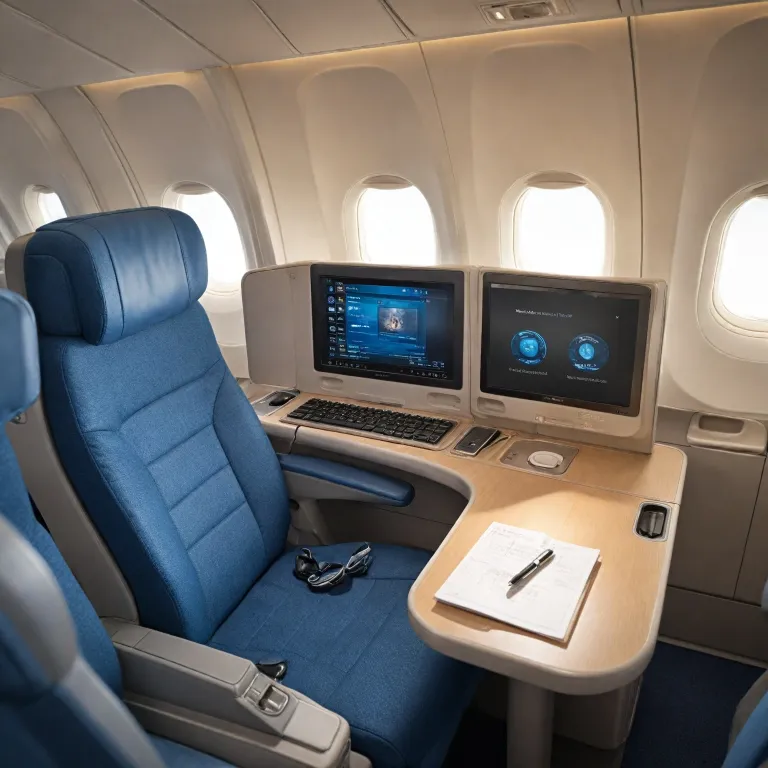
Within the dedicated premium economy cabin, Lufthansa uses ZIMprivacy seats to create a more secluded environment than in regular economy. The seats are arranged in a 2-3-2 layout on many long haul routes, reducing the number of middle seats compared with the denser economy class configuration. For travel managers, this layout matters because it influences how easily they can seat crews together while still offering individual comfort.
Seat pitch in this class cabin is significantly greater than in economy lufthansa, allowing travellers to open laptops without disturbing the person in front. This extra space, combined with a wider seat and adjustable footrests, supports better posture during long flight segments. For media professionals who must edit video, prepare presentations, or review scripts in the air, the difference between premium economy and economy seats can translate directly into usable working time.
The entertainment system in Lufthansa premium is another factor in any lh premium economy review aimed at corporate buyers. Larger screens, better resolution, and a broader content library help travellers manage long hours in the air, especially when time zone shifts make sleep difficult. When comparing premium economy with business class, the entertainment system is closer to the higher class, while still priced nearer to lufthansa economy.
Financial controllers and directions des achats will also weigh the impact of premium economy on total trip cost versus productivity. When a slightly higher fare reduces the need for an extra hotel night after a long lufthansa flight, the overall ROI can favour this intermediate class. For policy design, this is where a structured corporate card and travel payment strategy, as analysed in this overview of strategic corporate card innovations, becomes highly relevant.
Service, meal service and amenity kit expectations in premium economy
Service differentiation is a core theme in any Lufthansa premium economy review that targets media business travel stakeholders. While the airline does not promise full business class treatment, the premium economy service is clearly elevated above lufthansa economy. For economy passengers used to basic economy, the shift in attention from flight attendants and the upgraded meal service can feel substantial on long routes.
In premium economy, Lufthansa typically offers a welcome drink during the pre departure phase, followed by a more elaborate meal service than in the main economy cabin. The meal is usually served on porcelain, with metal cutlery and a slightly refined menu compared with economy class options. For corporate travellers, this upgraded meal and food presentation can support a more relaxed experience, especially when departure times fall during peak working hours.
The amenity kit is another small but meaningful detail for travel managers evaluating class seats across the airline portfolio. In premium economy, Lufthansa provides a compact amenity kit with essentials such as an eye mask, socks, and basic toiletries, which are not always available in regular economy. These items help travellers rest better, which is crucial when media teams land and move directly into filming, events, or client meetings.
Flight attendants in this class cabin generally manage fewer passengers than in the main economy cabin, which can improve response times and perceived service quality. However, the service wasn designed to match business class, and expectations must be calibrated accordingly in any lh premium economy review. For programme designers exploring broader hospitality strategies, it is useful to compare this in flight service model with ground based premium mobility concepts, such as those analysed in this article on reshaping media business travel strategies in hospitality.
Airport, boarding process and operational reliability for media teams
For media business travel planners, the airport phase of a Lufthansa flight is as critical as the in flight experience. Premium economy passengers usually benefit from priority check in counters, which can shorten queues compared with standard economy passengers. When crews travel with excess equipment, faster processing at departure can significantly reduce stress and protect tight call times.
The boarding process for premium economy is often grouped with higher status frequent flyers, placing these travellers ahead of regular economy in the sequence. This earlier boarding time allows better access to overhead storage, which is essential when carrying cameras, laptops, and sensitive gear that cannot be checked. In any Lufthansa premium economy review, this operational advantage should be weighed alongside the softer elements of comfort and food.
At many hubs, including Lufthansa’s main bases, premium economy passengers may not receive full lounge access as business class travellers do. However, travel managers can combine this class with corporate lounge memberships or credit card benefits to recreate a near business class ground experience. This layered approach is particularly relevant for media organisations that already invest in enhanced airport hospitality for senior staff.
For long haul travel, the reliability of the boarding process and on time departure is often more important than marginal differences in seat width. When a lufthansa flight operates on a tight rotation between multiple filming locations, delays can cascade through an entire production schedule. In this context, programme designers may benchmark Lufthansa premium against other carriers and integrate complementary ground solutions, such as the executive mobility concepts detailed in this analysis of elevated executive hospitality programmes.
Comparing premium economy with economy class and business class
When procurement teams conduct an lh premium economy review, the central question is how this product compares with both economy class and business class. In terms of seats, premium economy offers a clear upgrade over economy seats, but it remains far from the lie flat seat standard in business class. For long intercontinental routes, this middle position can be either a smart compromise or a limitation, depending on traveller profile.
From a cost perspective, premium economy fares typically sit closer to lufthansa economy than to full business class. This pricing structure allows travel managers to reserve business class for top executives or overnight flights with critical meetings on arrival, while assigning premium economy to senior staff and media crews. For shorter long haul segments, the incremental comfort of premium over regular economy lufthansa may be sufficient to maintain productivity.
Service levels also occupy a middle ground between the two main cabins. The meal service in premium economy is superior to that in the economy cabin, but it does not match the multi course dining and extensive beverage options of business class. Flight attendants allocate more attention to this smaller class cabin than to the larger economy cabin, yet the overall staffing model still reflects an economy oriented operation.
For policy design, travel managers should segment travellers by mission criticality, health needs, and expected productivity on board. In some cases, a carefully structured mix of basic economy, standard lufthansa economy, premium economy, and business class can optimise both budget and traveller satisfaction. This nuanced approach is particularly relevant in media business travel, where production timelines, creative output, and on site performance are directly influenced by the quality of the in flight experience.
Strategic recommendations for media business travel programmes
To integrate insights from any Lufthansa premium economy review into corporate policy, travel managers should start with data. Analyse route networks where Lufthansa is a primary carrier, and map which long haul segments would benefit most from premium economy rather than regular economy. Consider upgrade rules that allow travellers booked in economy lufthansa to move into premium when flight duration, departure time, or operational risk justifies the extra cost.
Next, align class cabin choices with traveller profiles and project types. For example, senior producers and on air talent on overnight flights might qualify for business class, while technical crews and editors receive premium economy on the same lufthansa flight. On shorter long haul routes, premium economy could become the default for all media teams, with basic economy reserved only for non critical positioning flights.
It is also important to communicate clearly how premium economy differs from both economy class and business class, so expectations are realistic. Emphasise the improved seats, enhanced meal service, amenity kit, and more attentive flight attendants, while explaining that the seat wasn designed to lie flat. This transparency reduces dissatisfaction and supports better feedback for future lh premium economy review cycles.
Finally, integrate traveller feedback, expert evaluations, and passenger reviews into a continuous improvement loop. Use structured surveys after each lufthansa flight segment to compare perceived value between economy seats, premium economy, and business class. As one expert summary states, “What are the benefits of Lufthansa's premium economy? More space, better meals, enhanced amenities.” and “Is premium economy worth the extra cost? Depends on personal comfort preferences and budget.” These statements should be tested against your own programme data to refine media business travel strategies over time.
Key quantitative insights for Lufthansa premium economy
- Seat pitch in Lufthansa premium economy is approximately 96 centimetres, compared with significantly less in regular economy cabins on many long haul aircraft.
- Seat width in the premium economy class cabin is around 48 centimetres, providing a noticeable comfort upgrade over standard economy seats.
- Lufthansa introduced premium economy to bridge the gap between economy and business classes, with subsequent seat upgrades enhancing privacy and comfort.
- Enhanced privacy features and improved in flight entertainment systems are central innovations in the latest generation of Lufthansa premium seats.
Frequently asked questions about Lufthansa premium economy for corporate travel
How does Lufthansa premium economy differ from regular economy for business travellers ?
Lufthansa premium economy offers more spacious seats, greater recline, and enhanced privacy compared with regular economy, which can significantly improve comfort on long flights. The meal service is upgraded, with better presentation and slightly higher quality food, and passengers receive an amenity kit that is not standard in basic economy. For business travellers, these differences can translate into better rest and higher productivity on arrival.
Is Lufthansa premium economy a cost effective alternative to business class for media teams ?
For many media organisations, Lufthansa premium economy provides a strong balance between cost and comfort, especially on routes where full business class is difficult to justify for entire crews. While it does not offer lie flat seats, the improved seating, service, and cabin environment are often sufficient for technical staff and mid level managers. This makes premium economy a valuable tool in tiered travel policies that reserve business class for only the most critical travellers or missions.
What should travel managers check before booking Lufthansa premium economy ?
Travel managers should review the specific aircraft type and seat map, as premium economy configurations can vary across the Lufthansa fleet. It is important to confirm seat pitch, width, and layout, as well as the availability of power outlets and the entertainment system on the planned flight. They should also verify fare conditions, including change fees and upgrade options from economy class.
When is upgrading from Lufthansa economy to premium economy most valuable ?
Upgrading from Lufthansa economy to premium economy tends to deliver the greatest value on overnight or ultra long haul flights, where additional comfort directly affects sleep and recovery. It is also particularly beneficial when travellers must work immediately after landing, such as for live broadcasts, client presentations, or high stakes negotiations. In these cases, the incremental cost can be offset by reduced fatigue and better on site performance.
How can companies integrate Lufthansa premium economy into travel policy ?
Companies can define clear criteria for when premium economy is permitted, such as minimum flight duration, departure time windows, or traveller seniority. Policies may allow automatic booking of premium economy on specific routes, while requiring approval for upgrades from basic economy or standard economy lufthansa fares. Regular reviews of traveller feedback and total trip cost help ensure that the policy remains aligned with both budget constraints and employee wellbeing.