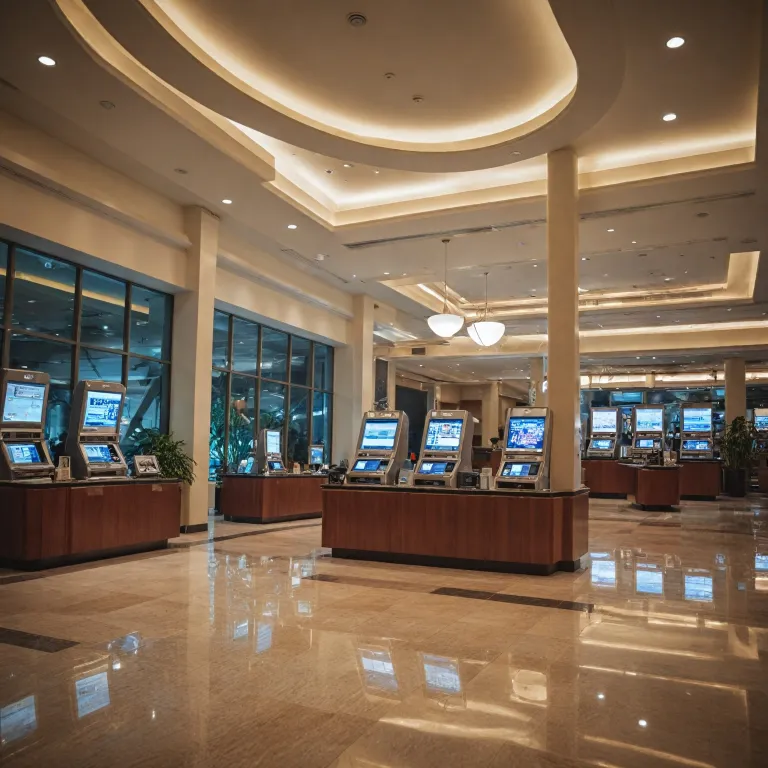
Technological transformation in hospitality industry travel trends
The hospitality industry is undergoing a profound transformation, driven by rapid technological advancements and evolving traveler expectations. Hotel companies are integrating AI and data analytics to personalize guest experiences, making travel planning more intuitive and responsive. This trend is evident as 50% of travel bookings are projected to be managed by AI, enabling real time recommendations and seamless service delivery for both business travelers and leisure guests.
Contactless technologies, such as mobile check-ins and digital keys, are now standard in hotels and hotels venues, reflecting a broader industry trend towards frictionless guest experiences. The adoption of IoT devices enhances operational efficiency and guest satisfaction, while also supporting sustainability initiatives within the hospitality sector. Hospitality businesses are leveraging these innovations to meet the demands of global travelers who expect convenience, safety, and personalization at every touchpoint.
Travel managers and corporate buyers are increasingly prioritizing hotels that offer integrated technology solutions, ensuring that guest experience remains at the forefront of hospitality industry travel trends. The convergence of technology and hospitality is not only improving guest experiences but also driving long term loyalty and market competitiveness.
Sustainability as a core driver in hospitality industry travel trends
Sustainability has become a central pillar in the hospitality industry, influencing both travel planning and guest experiences. Hotels and hospitality businesses are implementing eco-friendly practices, such as energy-efficient systems and the reduction of single-use plastics, to appeal to environmentally conscious travelers. This shift is not only a response to market demand but also a reflection of the industry's commitment to long term environmental stewardship.
Travelers, especially business travelers and compared gen Z and millennials, are seeking accommodations that prioritize sustainability, making it a key differentiator in the global travel market. The hospitality sector is collaborating with environmental organizations to guide sustainable practices and enhance guest satisfaction through green initiatives. Hotel companies are also investing in local sourcing and wellness tourism, further aligning with global hospitality industry travel trends.
As sustainability will continue to shape industry trends, travel managers and financial directors are evaluating hotels based on their environmental impact and guest experience offerings. For insights into sustainable procurement and best practices in hospitality, explore this guide on sustainable travel management.
Personalization and guest experience at the heart of hospitality industry travel trends
Personalization is redefining the guest experience in the hospitality industry, with AI-driven platforms enabling tailored recommendations and real time service adjustments. Travelers now expect hotels to anticipate their preferences, from room amenities to curated experiences, enhancing both guest satisfaction and loyalty. The hospitality sector is leveraging data analytics to deliver unique guest experiences, setting new standards for luxury and business travel alike.
Hotel companies are focusing on creating memorable guest experiences that reflect individual needs, whether for wellness tourism, business travel, or leisure. This trend is particularly relevant for travel managers and corporate buyers, who seek hotels that offer flexibility and customization for their clients. The integration of social media and digital platforms allows hotels to engage with guests before, during, and after their stay, strengthening the overall guest experience.
As guest expectations evolve, hospitality businesses must adapt their offerings to remain competitive in the global market.
Wellness tourism and the rise of holistic guest experiences
Wellness tourism is emerging as a significant trend within the hospitality industry, reflecting a growing demand for health-focused travel experiences. Hotels and hotels venues are expanding their wellness offerings, including fitness facilities, spa services, and mindfulness programs, to cater to travelers seeking holistic well-being. This shift aligns with broader hospitality industry travel trends that prioritize guest satisfaction and long term loyalty.
Business travelers are increasingly blending work with wellness, opting for accommodations that support both productivity and relaxation. The hospitality sector is responding by integrating wellness into the core guest experience, from nutritious dining options to wellness-focused amenities. This trend is particularly pronounced in the luxury segment, where guest experiences are designed to exceed expectations and foster repeat business.
Travel managers and mobility professionals are recognizing the value of wellness tourism in enhancing employee satisfaction and performance during business trips. The global travel market is witnessing a surge in demand for wellness-oriented hotels, underscoring the importance of this trend in shaping the future of hospitality. The focus on wellness will continue to drive innovation and differentiation across the industry.
Market dynamics and the impact of global travel on hospitality industry travel trends
The global travel landscape is influencing hospitality industry travel trends, with shifting market dynamics and traveler behaviors shaping hotel strategies. International tourist revenue in France, for example, has seen a notable increase, reflecting the resilience and adaptability of the hospitality sector. Hotel companies are adjusting their offerings to cater to diverse traveler segments, from business travelers to luxury guests and compared gen demographics.
Real time data analytics enable hotels to respond swiftly to market changes, optimizing pricing, inventory, and guest experiences. The rise of bleisure travel—where business and leisure intersect—has prompted hotels to create flexible packages and amenities that appeal to both segments. Social media continues to play a pivotal role in influencing travel planning and guest decision-making, amplifying the reach of hospitality businesses in the global market.
Travel managers, financial directors, and procurement leaders must stay attuned to these market trends to ensure their organizations remain competitive. The hospitality industry will continue to evolve in response to global travel patterns, technological advancements, and changing guest expectations, reinforcing the need for agile and innovative strategies.
Future outlook: Long term trends and opportunities for hospitality businesses
The future of the hospitality industry will be defined by the continued convergence of technology, sustainability, and personalized guest experiences. Hospitality businesses that embrace these long term trends are poised to capture greater market share and drive guest satisfaction. AI, IoT, and data analytics will continue to shape travel planning, enabling hotels to deliver real time, customized experiences that resonate with global travelers.
Wellness tourism and sustainability initiatives will remain central to industry trends, influencing hotel design, service delivery, and guest engagement. The hospitality sector must also address the evolving needs of business travelers, travel managers, and corporate buyers, ensuring that hotels venues offer both efficiency and comfort. As the market becomes increasingly competitive, the ability to adapt to emerging travel trends will determine the success of hospitality businesses.
Industry leaders, technology providers, and travel professionals must collaborate to foster innovation and maintain the credibility, expertise, and trustworthiness that define the hospitality industry. The integration of social media, real time communication, and guest-centric strategies will continue to elevate the guest experience and set new benchmarks for excellence in travel hospitality.
Key statistics shaping hospitality industry travel trends
- 73% of travelers prefer contactless options for hotel services.
- 50% of travel bookings are projected to be managed by AI.
- International tourist revenue in France increased by 9%.
Frequently asked questions about hospitality industry travel trends
What are the key technological trends in the hospitality industry?
Key technological trends include the use of AI for personalized guest experiences, integration of contactless technologies like mobile check-ins, and the adoption of IoT devices for enhanced convenience.
How is sustainability being addressed in the hospitality sector?
Sustainability is being addressed through initiatives such as reducing single-use plastics, implementing energy-efficient systems, sourcing local products, and offering eco-friendly amenities.
What is 'bleisure' travel?
'Bleisure' travel refers to the combination of business and leisure travel, where individuals extend work trips to include leisure activities, often bringing family or friends along.
Trusted sources for hospitality industry travel trends
- https://www.businesstravelnews.com
- https://www.hospitalitynet.org
- https://skift.com