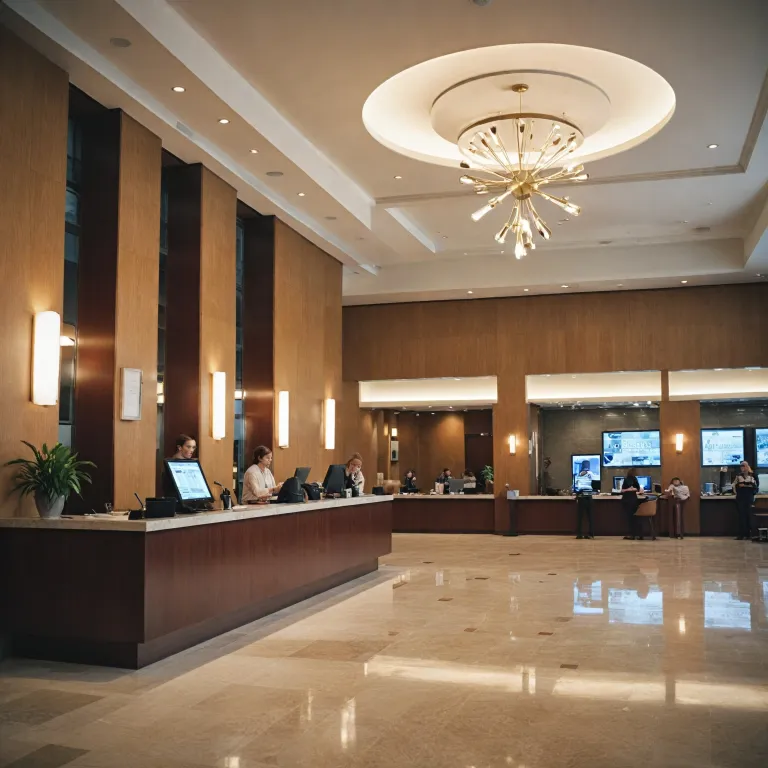
AI-driven workflow optimization: transforming hotel operations for business travel
In the evolving landscape of Média Business travel, the demand for an opimierter wokflow hotels approach is reshaping how hotels serve corporate clients. Travel managers and corporate buyers are increasingly seeking seamless integration of design, management, and digital assistants to streamline every aspect of their guests’ journeys. AI-powered platforms such as HospitalityFlow and HotelTools.AI are revolutionizing workflow management by providing real-time operational visibility, automated labor scheduling, and enhanced guest services.
These agentic systems leverage natural language processing and model context to interpret guest requests, automate routine tasks, and deliver personalized experiences. The integration of software components and cloud infrastructure ensures that hotel chains can scale their services efficiently, minimizing manual intervention and reducing risk. By deploying advanced tools for project management and risk management, hotels can proactively address operational challenges and maintain high performance standards across their supply chain.
For business services and infrastructure services, the application of AI-driven models prompt a shift towards data-driven decision making. This not only improves the efficiency of running applications but also enhances the ability to analyze cases and optimize resource allocation. The adoption of these systems is particularly relevant for travel managers and mobility professionals who require robust tools to manage complex itineraries and ensure compliance with corporate policies.
AI dashboards and digital assistants are now publicly accessible, enabling teams to monitor performance, manage third party partnerships, and mitigate risks associated with protocol mcp and context protocol integration. The result is a more agile, responsive, and guest-centric hotel operation that meets the unique needs of corporate travelers. As the industry continues to embrace these innovations, the opimierter wokflow hotels model is setting new benchmarks for efficiency and guest satisfaction.
Integrating agentic systems and digital assistants for seamless business travel
Agentic systems and digital assistants are at the forefront of optimizing hotel workflows for business travel. These advanced tools utilize model context and based data to automate communication between hotel staff, guests, and travel managers, ensuring that every request is handled promptly and accurately. The deployment of AI-powered software and management systems enables hotels to deliver consistent, high-quality services across multiple locations and chains.
For travel managers and corporate buyers, the integration of agentic tools into hotel management systems simplifies the process of booking, modifying, and managing reservations. These systems are designed to handle complex cases, such as group bookings or last-minute changes, with minimal human intervention. By leveraging cloud infrastructure and protocol mcp, hotels can ensure secure, scalable, and reliable operations that support the demands of business travelers.
One of the key benefits of agentic systems is their ability to provide real-time analysis and performance monitoring. This allows hotels to identify potential risks, optimize resource allocation, and enhance overall service delivery. For example, the use of digital assistants in the food industry can streamline room service operations, reduce wait times, and improve guest satisfaction. The integration of these tools with existing infrastructure services ensures a seamless workflow that supports both front-of-house and back-of-house operations.
To further enhance operational efficiency, hotels are adopting third party solutions that offer specialized services such as accounts payable automation and labor management. By partnering with technology providers and leveraging publicly accessible tools, hotels can stay ahead of industry trends and deliver superior experiences to their business clients. For more insights on optimizing your hotel’s workflow, explore our comprehensive guide to AI-powered hotel operations.
Enhancing supply chain and risk management through advanced workflow tools
Effective supply chain and risk management are critical components of the opimierter wokflow hotels strategy. The adoption of AI-driven tools and agentic systems enables hotels to monitor and manage their supply chains with unprecedented precision. By utilizing model context and based data, hotels can anticipate potential disruptions, optimize inventory levels, and ensure timely delivery of goods and services.
Risk management is further strengthened through the integration of advanced analysis tools and performance monitoring systems. These tools allow hotels to identify vulnerabilities in their operations, assess the impact of third party partnerships, and implement proactive measures to mitigate potential risks. The use of cloud infrastructure and protocol mcp ensures that data is securely stored and easily accessible for analysis and decision making.
Project management software plays a vital role in coordinating complex initiatives, such as the rollout of new services or the implementation of digital assistants. By leveraging these tools, hotels can streamline communication, track progress, and ensure that all stakeholders are aligned with project objectives. The application of agentic systems in supply chain management also supports compliance with industry regulations and corporate policies.
For travel managers and corporate buyers, the ability to access real-time data and performance metrics is essential for making informed decisions. The integration of AI-powered tools into hotel management systems provides a comprehensive view of operations, enabling stakeholders to identify trends, allocate resources effectively, and drive continuous improvement. For a deeper dive into supply chain optimization, visit our supply chain management resource center.
Leveraging AI and automation for superior guest experiences
The opimierter wokflow hotels approach places a strong emphasis on enhancing guest experiences through AI and automation. By integrating digital assistants and agentic systems into daily operations, hotels can deliver personalized services that cater to the unique needs of business travelers. These tools utilize natural language processing and models prompt to understand guest preferences, automate service requests, and provide timely responses.
AI-powered management systems enable hotels to anticipate guest needs, streamline check-in and check-out processes, and offer tailored recommendations for dining, transportation, and local attractions. The use of software components and cloud infrastructure ensures that these services are delivered consistently across all properties within a hotel chain. This level of personalization not only improves guest satisfaction but also drives loyalty and repeat business.
Automation tools play a crucial role in optimizing back-of-house operations, such as housekeeping, maintenance, and food industry services. By automating routine tasks and leveraging based data for decision making, hotels can reduce operational costs, minimize errors, and improve overall efficiency. The integration of publicly accessible digital assistants further enhances the guest experience by providing instant access to information and support.
For travel managers and corporate buyers, the ability to offer superior guest experiences is a key differentiator in a competitive market. The adoption of opimierter wokflow hotels strategies ensures that hotels can meet the evolving expectations of business travelers while maintaining high standards of service and operational excellence.
Ensuring data security and compliance in hotel workflow optimization
Data security and compliance are paramount in the implementation of opimierter wokflow hotels strategies. The integration of AI-powered tools and agentic systems requires robust protocols to protect sensitive information and ensure compliance with industry regulations. Hotels must adopt secure cloud infrastructure and context protocol to safeguard guest data and maintain the integrity of their operations.
Management systems equipped with advanced risk management features enable hotels to monitor data access, detect potential threats, and respond to security incidents in real time. The use of model context and models prompt ensures that only authorized personnel can access critical information, reducing the risk of data breaches and unauthorized disclosures. Third party solutions must also adhere to strict security standards to ensure the protection of hotel and guest data.
Compliance with industry regulations, such as GDPR and PCI DSS, is essential for maintaining trust and credibility with corporate clients. Hotels must implement comprehensive policies and procedures for data handling, storage, and transmission, supported by regular audits and performance analysis. The adoption of publicly accessible tools and digital assistants should be accompanied by rigorous security assessments to identify and address potential vulnerabilities.
For travel managers and corporate buyers, data security is a top priority when selecting hotel partners. The implementation of opimierter wokflow hotels strategies demonstrates a commitment to protecting guest information and maintaining the highest standards of operational integrity. By prioritizing data security and compliance, hotels can build lasting relationships with their business clients and enhance their reputation in the industry.
Real-world cases: successful implementation of opimierter wokflow hotels
Several leading hotel chains have successfully implemented opimierter wokflow hotels strategies to enhance operational efficiency and guest satisfaction. By leveraging AI-powered platforms such as HospitalityFlow and HotelTools.AI, these hotels have achieved significant labor cost savings and improved service delivery. For example, "AI can automate routine tasks, provide data-driven insights, optimize staffing, and enhance guest experiences, leading to increased efficiency and profitability."
Hotels utilizing automated labor management systems have reported an 8% reduction in labor costs and saved up to 60 manual back-office labor hours per property annually. The integration of accounts payable automation platforms, such as Ottimate, has streamlined the invoice-to-payment lifecycle, reducing administrative burdens and improving cash flow. These real-world cases demonstrate the tangible benefits of adopting advanced workflow tools and agentic systems in the hospitality industry.
Travel managers and corporate buyers have also benefited from the enhanced transparency and control provided by AI-driven management systems. The ability to access real-time performance data, monitor supply chain activities, and manage third party partnerships has enabled stakeholders to make informed decisions and drive continuous improvement. The successful implementation of opimierter wokflow hotels strategies serves as a model for other organizations seeking to optimize their operations and deliver exceptional guest experiences.
As the hospitality industry continues to evolve, the adoption of AI and automation technologies will play an increasingly important role in shaping the future of business travel. By embracing these innovations, hotels can achieve higher levels of efficiency, profitability, and guest satisfaction, setting new standards for excellence in the industry.
Key statistics: quantitative impact of workflow optimization in hotels
- Labor cost savings with AI scheduling: 8%
- Manual back-office labor hours saved per property annually: 60 hours
- Annual hours saved on audit preparation: 180 hours
Frequently asked questions about opimierter wokflow hotels
What are the benefits of AI in hotel operations?
AI can automate routine tasks, provide data-driven insights, optimize staffing, and enhance guest experiences, leading to increased efficiency and profitability.
How can hotels implement AI solutions?
Hotels can partner with technology providers specializing in hospitality solutions, integrate AI platforms into existing systems, and train staff to effectively use new technologies.
Are there cost savings associated with AI adoption in hotels?
Yes, implementing AI solutions can lead to significant cost savings, such as reducing labor costs by 8-12% through optimized staffing schedules.
What is the expected impact of AI-powered workflow optimization tools?
Hotels adopting AI-powered workflow optimization tools can expect increased efficiency, reduced costs, and improved guest experiences, leading to higher profitability and competitiveness.
How do agentic systems enhance hotel management?
Agentic systems automate communication, streamline operations, and provide real-time data analysis, enabling hotels to deliver consistent, high-quality services to business travelers.