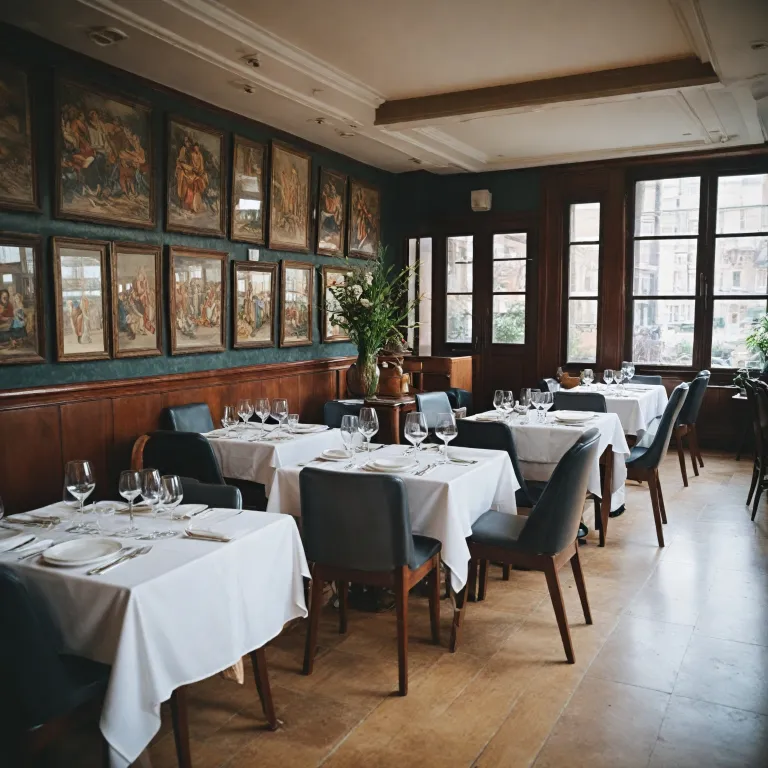
Digital transformation shaping the future of European hospitality
The restaurant industry news Europe highlights a remarkable acceleration in digital transformation across hospitality, food, and business sectors. Digital ordering platforms and AI-driven automation are now integral to both fast food and premium dining, enhancing operational efficiency and customer experience. Hospitality industry leaders recognize that these innovations are not just trends but essential responses to evolving consumer expectations and economic pressures.
Business rates and sector-wide cost challenges have prompted restaurants and hotels to adopt advanced technology, from AI-powered kitchen management to seamless food and beverage ordering systems. The integration of automation addresses labor shortages, allowing hospitality businesses to maintain high quality service standards. As the industry adapts, managing director roles increasingly focus on leveraging digital tools for long term growth and competitive advantage.
European leisure and business travelers now expect intuitive, high quality digital experiences when booking hotels or seeking street food. The latest news from industry conferences, such as the European Foodservice Summit, underscores the importance of digital innovation for future hospitality. For travel managers and corporate buyers, understanding these shifts is vital for negotiating premium rates and ensuring value in business travel arrangements.
Economic factors and business rates: navigating challenges in the hospitality sector
Restaurant industry news Europe reveals that economic headwinds, including fluctuating business rates and inflation, are reshaping the hospitality industry landscape. Hotels and restaurants face mounting pressure to balance premium service with cost efficiency, especially as leisure and business travel patterns shift. The sector’s response includes adopting support packages and optimizing operations to maintain high quality standards while managing expenses.
Managing directors and financial leaders in hospitality are re-evaluating long term strategies, focusing on flexible pricing models and dynamic rate management. Conferences and industry events in January and throughout the year provide critical forums for discussing best practices and sharing breaking news on regulatory changes. The adoption of sustainable food and beverage sourcing, as well as zero-waste initiatives, further supports cost control and aligns with evolving consumer values.
For travel managers and procurement professionals, understanding the impact of business rates on hotel and restaurant pricing is essential for securing favorable terms. The hospitality industry’s resilience is evident in its ability to adapt, with leading businesses leveraging data and insights to inform strategic decisions. Explore more about business rates and economic trends in hospitality at this dedicated analysis of hospitality sector economics.
AI, automation, and the evolution of food and beverage operations
One of the most significant developments in restaurant industry news Europe is the integration of AI and automation in food, drink, and hospitality operations. Fast food chains, premium restaurants, and hotel kitchens are deploying smart technologies to streamline workflows and reduce reliance on manual labor. This shift not only addresses workforce shortages but also ensures consistent, high quality food and beverage delivery.
AI-driven systems optimize inventory, predict demand, and personalize guest experiences, supporting both leisure and business travelers. The hospitality industry’s adoption of automation extends to freight island logistics, enabling efficient supply chain management for food and drink. Managing directors are investing in these innovations to secure long term sustainability and operational excellence.
Industry conferences, such as those held in Leeds fourth and Trinity Leeds, showcase the latest news on automation and its impact on the sector. For a detailed look at AI and automation in hospitality, refer to this comprehensive guide to hospitality technology.
Sustainability and zero-waste: redefining high quality standards in hospitality
Sustainability is at the forefront of restaurant industry news Europe, with hospitality businesses embracing zero-waste practices and transparent sourcing. Hotels and restaurants are prioritizing seasonal ingredients and local food beverage partnerships to reduce environmental impact. The sector’s commitment to sustainability is evident in support packages for green initiatives and the adoption of eco-friendly packaging for street food and fast food outlets.
Managing directors and procurement teams are integrating sustainability metrics into supplier selection and contract negotiations. Conferences and industry summits highlight the importance of sustainability for future hospitality, with breaking news on innovative approaches to waste reduction and energy efficiency. The hospitality industry’s focus on sustainability not only meets regulatory requirements but also appeals to the values of modern leisure and business travelers.
As sustainability becomes a key differentiator, hotels and restaurants offering high quality, eco-conscious experiences are gaining a competitive edge. The latest news from caprice holdings and other leading businesses demonstrates the sector’s commitment to long term environmental stewardship.
Market trends: growth, consumer behavior, and the rise of street food
Restaurant industry news Europe reports a dynamic market, with projected growth in the foodservice sector driven by increased snacking, indulgence, and digital ordering. The rise of street food and affordable gastronomy reflects changing consumer preferences, as both leisure and business travelers seek diverse, high quality dining experiences. The hospitality industry is responding with innovative concepts, from freight island pop-ups to premium food beverage offerings in hotels.
Consumer behavior studies reveal a growing demand for flexibility, convenience, and transparency in food and drink choices. The sector’s ability to adapt to these trends is evident in the proliferation of fast food and street food options, as well as the expansion of premium restaurant brands to new locations, such as the fourth location in Leeds fourth and Trinity Leeds. Managing directors are leveraging market research to inform menu development and pricing strategies.
Industry conferences and breaking news updates provide valuable insights into emerging trends, helping travel managers and corporate buyers anticipate shifts in demand. The hospitality industry’s agility in responding to market dynamics ensures continued relevance and growth.
Strategic opportunities for travel managers and corporate buyers in hospitality
For travel managers, acheteurs voyages corporate, and mobility professionals, restaurant industry news Europe offers actionable insights for optimizing business travel and hospitality arrangements. Understanding the interplay between business rates, premium hotel offerings, and food beverage trends is crucial for maximizing value. The hospitality industry’s focus on high quality service, sustainability, and digital innovation creates new opportunities for strategic partnerships and negotiated rates.
Corporate buyers are increasingly seeking support packages that include flexible booking, premium amenities, and access to the latest food and drink experiences. Conferences and industry events provide platforms for networking and knowledge sharing, enabling professionals to stay informed about breaking news and future hospitality trends. The integration of AI and automation in hospitality operations further enhances the guest experience, supporting both leisure and business travel objectives.
By staying attuned to the latest news and developments in the sector, travel managers and procurement leaders can drive long term value and support organizational goals. The hospitality industry’s commitment to innovation and high quality standards ensures a robust future for business travel and European leisure markets.
Key statistics shaping the European restaurant industry
- Projected growth of European foodservice market (2024-2028): 265.9 billion USD
- Increase in restaurant spending (2019-2025): 10 percent
- Decline in restaurant visits compared to pre-pandemic levels: 10 percent
Frequently asked questions about restaurant industry news Europe
What is driving the growth of the European foodservice market?
The growth is driven by increased snacking and indulgence consumption, as well as the adoption of digital ordering and delivery services.
How are restaurants addressing labor shortages?
Restaurants are implementing AI and automation technologies to streamline operations and reduce reliance on manual labor.
What role does sustainability play in the current restaurant industry?
Sustainability is a key focus, with restaurants adopting zero-waste practices, using seasonal ingredients, and promoting transparency in sourcing.
What are the main trends in digital transformation for hospitality?
Digital transformation includes the use of digital ordering platforms, AI and automation in kitchens, and the adoption of sustainability practices to enhance efficiency and customer experience.
Trusted sources: Circana, Technavio, European Foodservice Summit