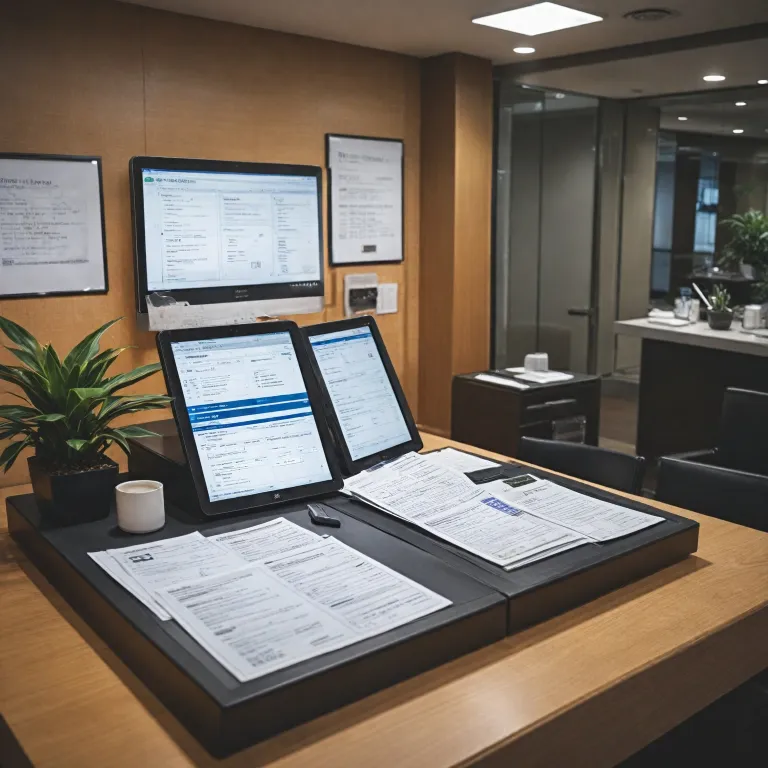
Strategic approaches to business travel expense management in hospitality
Business travel expense management is a critical function for travel managers, corporate buyers, and finance teams in the hospitality sector. The complexity of managing travel expenses, especially for large organizations, demands robust expense management software and clear policies. Companies must ensure that travel expense data is accurately captured and that expense reports are processed efficiently, reducing administrative burden and supporting compliance with corporate travel policies.
Expense management software, such as Expensify, Zoho Expense, and SAP Concur, provides key features like real time expense tracking, receipt scanning, and automated approval workflows. These tools enable finance teams to monitor spend, enforce policy compliance, and streamline accounting processes. Integrations with travel booking platforms and corporate cards further enhance the ability to manage expenses, offering a seamless experience for employees who book travel and submit expense reports.
For travel managers and mobility professionals, leveraging data from expense tracking and expense reporting systems is essential for optimizing business travel spend. The integration of AI and machine learning in expense software helps detect anomalies and prevent fraudulent claims, ensuring that expense data remains reliable. By focusing on strategic management of travel expenses, organizations can achieve better cost control and improve employee satisfaction.
Leveraging technology: Key features and integrations for efficient expense management
Modern expense management software offers a suite of features designed to simplify the process of managing business travel expenses. Key features include real time expense tracking, automated receipt scanning, and customizable approval workflows. These functionalities allow finance teams to maintain oversight of travel expenses and ensure that all expenses align with corporate travel policies.
Integrations with accounting systems, travel booking platforms, and corporate cards are vital for a unified approach to expense management. Solutions like Navan, Zoho, and SAP Concur provide robust integrations that facilitate seamless data flow between expense software and other business systems. This connectivity reduces manual data entry, minimizes errors, and accelerates the reimbursement process for employees.
For travel managers and corporate buyers, the ability to analyze expense data in real time is a game changer. It enables proactive management of travel spend and supports data-driven decision making. To further explore how technology can transform your expense management processes, visit our guide on corporate travel technology solutions.
Policy compliance and approval workflows: Ensuring control and transparency
Effective business travel expense management hinges on the implementation of clear policies and structured approval workflows. Travel managers and finance teams must establish guidelines that define allowable expenses, set spending limits, and outline the process for submitting expense reports. These policies help ensure compliance and protect the organization from unnecessary or unauthorized spend.
Expense management software, such as Expensify and Zoho Expense, supports policy enforcement by automating approval workflows and flagging out-of-policy expenses. Real time notifications and audit trails provide transparency throughout the expense reporting process. Employees book travel and submit expenses with confidence, knowing that the system will guide them through each step and highlight any discrepancies.
Integrating approval workflows with accounting and finance systems enhances control and accountability. For more insights into policy compliance and workflow optimization, read our article on expense policy best practices.
Data-driven decision making: Harnessing expense data for strategic insights
Expense data is a valuable asset for organizations seeking to optimize business travel spend and improve financial performance. By leveraging the analytics capabilities of expense management software, finance teams can identify spending patterns, detect anomalies, and uncover opportunities for cost savings. Real time access to expense data empowers decision makers to act swiftly and adjust strategies as needed.
Advanced solutions like SAP Concur, Navan, and Zoho Expense offer dashboards and reporting tools that visualize key metrics, such as average travel expense per employee, total spend by category, and compliance rates. These insights support negotiations with suppliers, inform policy updates, and drive continuous improvement in expense management practices. Integrations with corporate cards and travel booking systems further enrich the data available for analysis.
For travel managers and corporate buyers, data-driven decision making is essential for maintaining control over travel expenses and achieving organizational goals.
Innovations in expense management: AI, automation, and mobile solutions
The hospitality industry is witnessing rapid innovation in business travel expense management, driven by advancements in AI, automation, and mobile technology. AI-powered expense software, such as Expensify and Navan Travel, automates the capture and categorization of expenses, reducing manual effort and improving accuracy. Machine learning algorithms detect anomalies and flag potential policy violations in real time.
Mobile applications for expense tracking and receipt scanning enable employees to manage expenses on the go, ensuring timely submission of expense reports. Integration with corporate cards and travel booking platforms streamlines the entire process, from booking to reimbursement. Automated approval workflows and real time notifications keep finance teams informed and in control.
As organizations adopt these innovations, they benefit from increased efficiency, enhanced compliance, and improved employee satisfaction. The integration of AI and automation is transforming the way travel managers and finance teams approach expense management, setting new standards for the industry.
Best practices for finance teams and travel managers in business travel expense management
Finance teams and travel managers play a pivotal role in ensuring effective business travel expense management. Adopting best practices, such as implementing clear travel policies, utilizing advanced expense management software, and conducting regular audits, is essential for maintaining control and compliance. "Expense management software streamlines the process of recording, approving, and reimbursing expenses, leading to increased efficiency, accuracy, and compliance."
Companies should encourage employees to use mobile apps for real time expense tracking and receipt scanning, ensuring that all expenses are documented and submitted promptly. Familiarity with corporate travel policies and the use of integrated expense software, such as Zoho Expense and SAP Concur, further support accurate expense reporting and timely reimbursement. "Companies can reduce travel expenses by implementing clear travel policies, negotiating better rates with vendors, and utilizing technology to monitor and control spending."
Addressing challenges such as policy compliance, fraudulent claims, and data integration requires a proactive approach and the right technology. "Challenges include ensuring policy compliance, managing fraudulent claims, and integrating expense data with financial systems." By following these best practices, organizations can achieve improved cost control, enhanced compliance, and greater employee satisfaction.
Quantitative insights: Business travel expense management in numbers
- Global business travel spending is estimated at 1.5 trillion USD.
- 75% of companies use expense management software to streamline processes.
Frequently asked questions about business travel expense management
What are the benefits of using expense management software?
Expense management software streamlines the process of recording, approving, and reimbursing expenses, leading to increased efficiency, accuracy, and compliance.
How can companies reduce business travel expenses?
Companies can reduce travel expenses by implementing clear travel policies, negotiating better rates with vendors, and utilizing technology to monitor and control spending.
What challenges do organizations face in managing travel expenses?
Challenges include ensuring policy compliance, managing fraudulent claims, and integrating expense data with financial systems.
Trusted sources for business travel expense management
- Global Business Travel Association (GBTA)
- Deloitte Insights
- Business Travel News