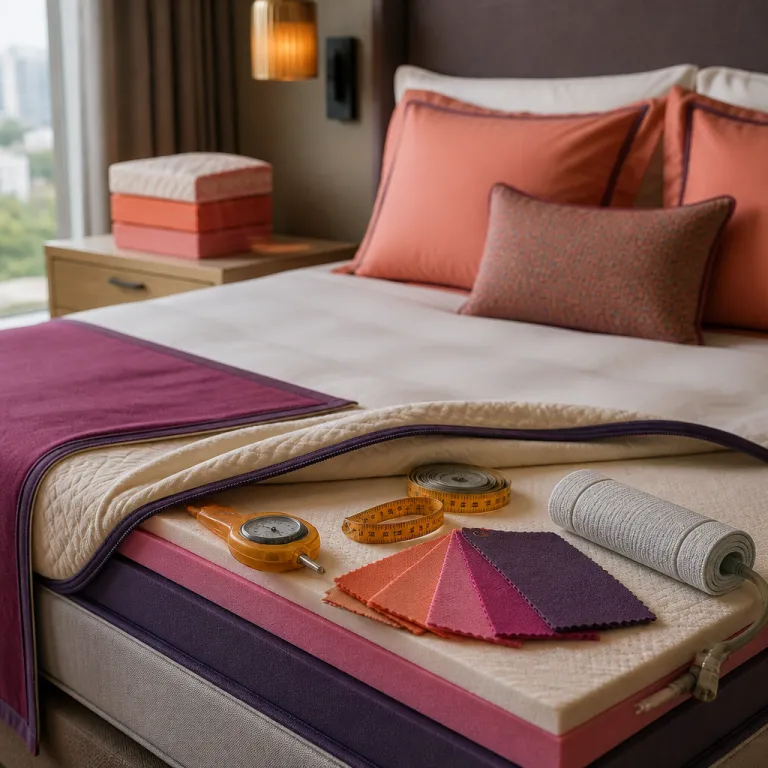
Why the hotelier mattress now sits at the heart of business travel value
For media and business travel decision makers, the hotelier mattress has quietly become a strategic asset. When a corporate traveller rates a hotel stay, the quality of the mattress and bed often outweighs lobby design, restaurant concepts, or even location in the overall experience. A single poor sleep experience can undermine a carefully negotiated hotel price, damage perceived value, and push travellers back toward unmanaged bookings.
In corporate programmes where nights are concentrated in a limited number of hotels, the wrong hotel mattress choice can multiply complaints and erode brand trust across entire traveller populations. Travel managers and procurement leaders now track sleep-related feedback alongside Wi-Fi and customer service scores, because these elements together define whether a property truly works for media and business travel. A hotelier who invests in firm but comfortable mattresses, high quality pillow options, and robust edge support is not just upgrading a room; they are protecting programme compliance and long-term satisfaction.
Manufacturers such as Viking Beds, Serta Hospitality, and Legacy Hospitality have responded with hotelier mattress ranges engineered specifically for heavy use in hotels. These mattresses combine durable foam layers with resilient springs and pillow-top constructions that keep their shape even after thousands of guest nights. Industry commentary on HospitalityNet and similar hospitality research sources commonly cites an average hotel mattress lifespan of around seven years, which means that for travel buyers, understanding how each mattress unit performs over its lifespan is now as critical as comparing nightly price.
From city centre strategy to in-room sleep performance
Corporate travel policies have long prioritised the right city centre hotel strategy for media and business travel, focusing on walkability, meeting access, and negotiated rate structures. Yet once the traveller closes the door, the hotelier mattress, pillows, and bed base define whether that strategic location translates into real comfort and productivity. A perfectly located hotel with tired mattresses and uneven foam layers will generate more complaints than a slightly less central property with a consistently great sleep experience.
For travel managers and corporate buyers, this means that hotel selection criteria must now include explicit questions about mattress brands, mattress firmness options, and service warranty conditions. When evaluating hotels, ask whether the property uses hospitality-specific mattresses from recognised hotel brands that corporate travellers already know and trust. You should also check whether the hotel offers both firm and softer pillow-top options, because a single standard bed configuration rarely satisfies a diverse business traveller base.
Media and data-driven reviews increasingly highlight in-room sleep quality as a decisive factor in city centre hotel performance for business travel. When you benchmark hotels for a new preferred programme, combine location analysis with a structured assessment of the hotel mattress in sample rooms, including edge support, pillow quality, and noise transfer between beds. For a deeper view of how sleep quality interacts with location and commercial strategy, many travel buyers now align their hotel sourcing with broader city centre hotel strategy frameworks, using internal data and external benchmarks to validate decisions.
How hotelier mattress engineering supports media business travel productivity
A true hotelier mattress is engineered very differently from a typical retail mattress, because it must withstand constant use while delivering stable comfort for a wide range of body types. Manufacturers in the hospitality segment design each unit with reinforced edges, multi-zone foam layers, and carefully calibrated spring systems to keep the bed surface level over years of intensive occupancy. This engineering focus directly supports media business travel, where travellers often arrive jet-lagged and need restorative sleep before high-stakes meetings or media events.
Viking Beds, Serta Hospitality, and Legacy Hospitality all emphasise durability and comfort in their hospitality lines, using advanced machinery and strict quality control systems to maintain consistency across mattresses and hotels. Their teams integrate customer feedback from hotelier clients into new designs, refining pillow-top density, edge support stiffness, and overall firmness to match real-world guest expectations. As one corporate travel buyer explained after a recent mattress upgrade across a regional portfolio, “Once we standardised on a higher-spec hotelier mattress, sleep-related complaints dropped by more than half within a year, and our internal traveller satisfaction score for beds rose from 7.1 to 8.6 out of 10.”
For hotel brands that serve media business travel, the choice of hotel mattress is now part of the broader commercial architecture, not just an operational detail. Group-level leaders responsible for owning the commercial architecture increasingly view the sleep experience as a revenue protection lever, because better sleep drives higher satisfaction scores and repeat bookings. This shift aligns with the evolving mandate of commercial leaders described in analyses of how hotel group vice presidents now own the commercial architecture, extending their influence from brand positioning into concrete in-room product decisions.
Procurement, price, and total cost of ownership for hotelier mattresses
For finance directors and procurement leaders, the hotelier mattress is often perceived first through the lens of price per unit. Yet focusing only on the initial mattress price misses the broader total cost of ownership, which includes lifespan, service warranty coverage, and the impact on guest satisfaction metrics that influence corporate contract renewals. A slightly higher-priced top mattress with stronger edge support and better foam layers can outlast a cheaper option by several years, reducing replacement cycles and operational disruption in hotels.
Data from hospitality industry sources indicates that the average hotel mattress lifespan is around seven years, but this figure assumes professional housekeeping practices and high-quality construction. When procurement teams negotiate with manufacturers such as Serta Hospitality, Viking Beds, or Legacy Hospitality, they should request clear documentation on expected lifespan, service warranty terms, and any recommended maintenance protocols. It is also wise to compare how different hotelier mattress models perform in real properties, using customer service feedback and sleep experience scores from media business travel segments as practical indicators.
Corporate buyers who source for hotel chains or manage franchise standards can leverage volume to secure better price conditions on mattresses and beds, while still insisting on robust hospitality specifications. When evaluating proposals, consider how each mattress unit supports the brand promise of comfort and reliability that hotel brands communicate to corporate clients. A transparent procurement process, supported by a clear privacy policy for any data collected through customer service platforms, helps reinforce trust between manufacturers, hotels, and corporate travel buyers.
Digital merchandising of sleep experience for corporate and media business travel
As more corporate travel bookings move through online channels, the way hotels present their sleep experience has become a competitive differentiator. High-quality photography that shows the bed, the hotelier mattress profile, and the pillow-top details helps travel managers and agencies assess whether a property aligns with their travellers’ expectations. Clear descriptions of mattress firmness, foam layers, and edge support reassure corporate buyers that the hotel understands business traveller needs.
Some hotel brands now integrate mattress specifications directly into their booking engines and B2B portals, allowing buyers to view mattress details alongside rate and policy information. When a travel manager or agency uses a corporate booking tool, they should be able to view cart-style summaries that highlight not only the room type and price, but also key elements of the sleep experience such as pillow choices and bed configuration. This level of transparency supports more informed decisions and reduces post-stay complaints about comfort or perceived value.
Behind the scenes, these digital experiences depend on robust system connectivity between property management systems, central reservation platforms, and merchandising layers. Hotels that rationalise their technology stack and avoid PMS integration sprawl are better positioned to surface accurate mattress and room data across channels, as outlined in frameworks for choosing what actually connects in hotel operations. For media business travel buyers, partnering with hotels that can clearly articulate and digitally present their hotel mattress standards is now a practical way to safeguard traveller satisfaction.
Operational standards, sustainability, and future trends in hotelier mattresses
Operational excellence around the hotelier mattress extends far beyond the initial purchase, touching housekeeping routines, inspection schedules, and replacement planning. Hotels that serve media business travel typically implement structured checklists for beds, pillows, and mattresses, ensuring that each unit is rotated, inspected for edge support degradation, and cleaned according to brand standards. These routines protect both comfort and hygiene, which are non-negotiable for corporate travellers and airline crews.
Sustainability is also reshaping how hotel brands and manufacturers approach mattress design and end-of-life management. Many hospitality-focused manufacturers now experiment with more sustainable materials and modular foam layers that can be replaced individually, extending the useful life of the top mattress without discarding the entire bed. For travel buyers with corporate sustainability targets, asking hotels about mattress recycling programmes and partnerships with responsible disposal providers is becoming as relevant as querying energy or water usage.
Looking ahead, smart mattress technology is beginning to appear in pilot projects, offering sensors that track sleep quality, temperature, and pressure distribution without compromising privacy policy commitments. While such features must be implemented carefully to respect data protection rules, they could eventually provide anonymised insights into how media business travel guests actually sleep in different hotels. For now, the most immediate priority remains clear: align mattress specifications, service warranty terms, and operational standards so that every business traveller can rely on a consistently great sleep experience, night after night.
Key figures and benchmarks for hotelier mattress strategies
- The average hotel mattress lifespan in the hospitality sector is around seven years according to HospitalityNet and comparable industry analyses, which means replacement planning should be built into every long-term media business travel contract.
- Industry surveys reported by Hotel Management Magazine suggest that a large majority of hotels now use custom mattresses designed specifically for their brand standards, underscoring how central the hotelier mattress has become to differentiated guest experience.
- Manufacturers focused on hospitality, such as Viking Beds, Serta Hospitality, and Legacy Hospitality, report continuous product development cycles, reflecting ongoing investment in comfort, durability, and foam layer innovation.
- Hotels that standardise on a single hotel mattress specification across properties simplify training for housekeeping teams and improve consistency in sleep experience scores for corporate travellers.
- Service warranty terms that extend across the full expected lifespan of the mattress unit can significantly reduce unplanned capital expenditure and protect guest satisfaction metrics in media business travel programmes.
FAQ about hotelier mattresses for media business travel
What is a hotelier mattress and how is it different from a retail mattress?
A hotelier mattress is designed specifically for hotel use, with a focus on durability, consistent comfort, and strong edge support to handle frequent turnover. Compared with typical retail mattresses, these models use reinforced materials, denser foam layers, and construction methods that maintain performance over thousands of nights. They are engineered to deliver a reliable sleep experience for many different body types and preferences.
Can corporate travellers or companies buy hotelier mattresses for home or office use?
Yes, many hospitality manufacturers offer their hotelier mattress models to consumers and corporate buyers through dedicated channels. Travel managers sometimes arrange direct purchase options for frequent travellers who want the same hotel mattress at home, strengthening the emotional link with preferred hotel brands. When doing so, it is important to review price, service warranty terms, and delivery conditions just as carefully as a hotel would.
How should travel managers evaluate mattress quality when selecting preferred hotels?
Travel managers should request detailed information on mattress brands, firmness options, and replacement cycles during the RFP process. Site inspections should include testing the bed for comfort, checking edge support, and reviewing pillow quality, not just touring public spaces. Feedback from existing guests, especially frequent media business travel profiles, provides valuable insight into real-world performance.
What role do mattresses play in corporate rate negotiations and programme performance?
Mattress quality directly influences guest satisfaction scores, which in turn affect programme compliance and the perceived value of negotiated rates. A hotel that invests in high-quality beds and pillows can justify a slightly higher price if it consistently delivers better sleep and fewer complaints. Corporate buyers increasingly factor these qualitative benefits into their evaluation of total cost and overall service.
Are there emerging technologies or trends that will change hotelier mattresses in the coming years?
Manufacturers are exploring sustainable materials, modular designs, and smart mattress technologies that monitor sleep patterns while respecting privacy policy requirements. These innovations aim to extend lifespan, reduce environmental impact, and provide data that helps hotels fine-tune their sleep experience for media business travel guests. Adoption will likely start in higher-end hotels and then spread as costs decrease and standards mature.