Why meeting space capacity at a York hotel matters for media led corporate travel
Media driven business travel programmes need hotels that can translate complex production briefs into practical, flexible operations. The way a York hotel publishes and manages its meeting space capacity demonstrates how a single property can support broadcast crews, brand launches, and confidential board meetings with equal precision. In a media intensive United Kingdom market, travel managers now benchmark every hotel against its ability to host hybrid meetings and events without compromising duty of care or production quality.
In York and across the wider United Kingdom, corporate buyers evaluate hotels less on décor and more on how rooms, technology, and staffing align with campaign timelines. For a hotel York style property, that means publishing clear capacity charts in square metres, ceiling heights, and maximum layouts directly on the booking site, so travel managers can compare a grand room to a standard twin or double room in seconds. When meeting room sizes, layouts, and loading options are transparent, airline partners and B2B agencies can lock in media itineraries faster and reduce costly last minute changes.
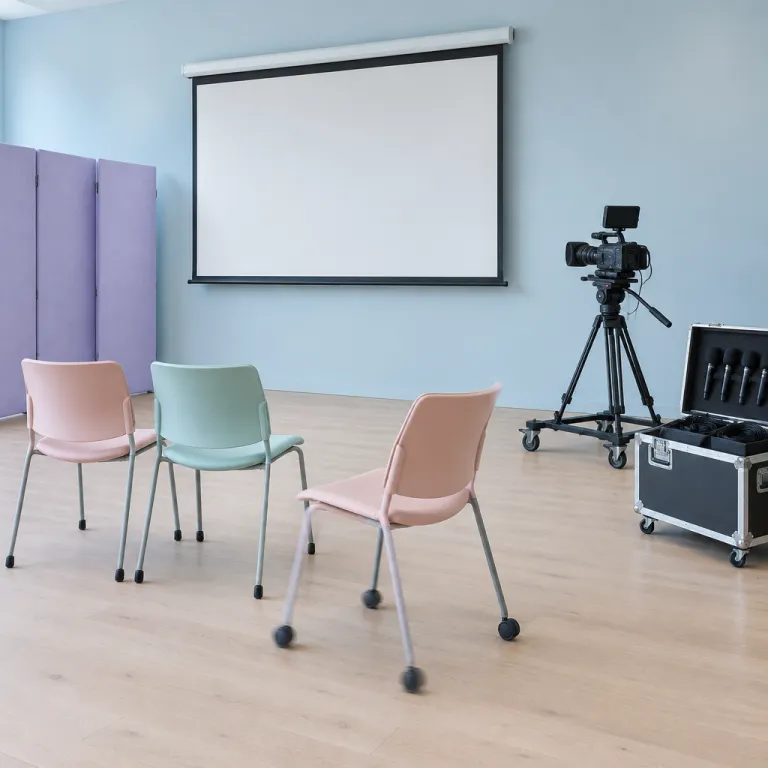
Media production teams often travel with bulky equipment, so the largest room in a York hotel style venue must handle staging, lighting rigs, and live streaming zones. A king room or superior suite can double as a green room, while an inner courtyard or bar area becomes a press interview backdrop with minimal disruption to other guests. When a property integrates direct car park access, tea and coffee stations, and reliable site wide connectivity, it turns meetings into content ready events that justify premium rates for both hotels and corporate buyers.
From Weston super Mare to York city: contrasting coastal and urban media meeting needs
Media business travel patterns show a clear split between coastal inspiration and urban efficiency. In Weston-super-Mare, a hotel facing the sea offers a suite sea category with a calming sea view that appeals to creative teams seeking offsite retreats. In contrast, a central York hotel focuses on fast access, compact meeting rooms, and inner courtyard spaces that keep delegates close to the city transport grid.
For travel managers handling both Weston-super-Mare and York city programmes, the way a York property documents its meeting room capacity becomes a benchmark for comparing coastal and urban venues. A Weston-super-Mare hotel might promote a superior suite with a private bathroom and balcony, while a hotel in the York business district highlights a standard twin or double room inventory for crew rotations. Both hotels must still publish clear view map details, car park options, and room categories so B2B agencies can align room blocks with production schedules.
Wellness is another differentiator, especially for media teams under tight deadlines and constant screen exposure. Coastal properties near the sea can integrate spa partnerships and wellness add ons, echoing how corporate wellness travel programmes in Sapporo leverage spa and esthetic concepts to support high performing travellers, as analysed in this corporate wellness travel case study. Urban hotels in York respond differently, using quiet inner courtyard zones, upgraded tea and coffee breaks, and blackout curtains in king room and superior suite categories to protect rest and recovery for media crews.
Designing meeting rooms and events spaces for media centric programmes
Purpose built meeting rooms are no longer enough for media heavy corporate events. A well planned York hotel conference floor shows how a mix of a grand room, mid sized rooms, and informal bar zones can support everything from editorial roundtables to live streamed product launches. In practice, this means designing rooms in square metres that allow flexible staging, cabaret layouts, and plug and play broadcast points.
For travel buyers, the critical question is how many simultaneous meetings and events a property can host without audio bleed or bandwidth issues. A hotel in York that offers one largest room for plenary sessions, several smaller meeting rooms for breakouts, and an inner courtyard for networking can serve as a single hub for a multi day media roadshow. When each room includes integrated tea and coffee stations, robust soundproofing, and clear capacity data, travel managers can map agendas directly onto the property layout.
Event scalability is becoming a strategic KPI for both hotels and corporate travel programmes. Properties that document their meeting spaces capacity as rigorously as Stadshotel Den Haag does for its event space portfolio, as examined in this analysis of scaling event space capacity for media savvy programmes, give travel managers the confidence to commit multi year contracts. In York and other United Kingdom hubs, hotels that can reconfigure a king room into a podcast studio or a superior suite into a VIP interview lounge gain a clear competitive edge with airlines, TMCs, and media agencies.
Room categories, privacy, and technical readiness for media travellers
Behind every polished media event sits a complex grid of room allocations and privacy requirements. A York hotel’s meeting and bedroom inventory only delivers full value when room categories align with the roles of each traveller, from on air talent to camera crews. A mix of king room, double room, and standard twin options allows travel managers to respect policy while still accommodating personal comfort and gender balance.
For senior executives and spokespersons, a superior suite or suite sea style category in a coastal property such as Weston-super-Mare offers space for last minute briefings and confidential calls. These suites need a private bathroom, strong acoustic insulation, and reliable in room connectivity that matches the bandwidth of the main meeting rooms. In York city, where space is tighter, hotels often convert a larger king room into a semi private workspace, adding ergonomic seating and enhanced tea and coffee amenities to support long editing sessions.
Technical readiness extends beyond Wi Fi speed. Media travellers expect hotels across the United Kingdom to provide multiple power outlets, secure storage for equipment, and clear information on the site about any inner courtyard or car park access for outside broadcast vans. When a property publishes a detailed view map of its rooms, meeting spaces, and loading points, B2B agencies can pre plan camera routes and minimise disruption to other guests, turning a standard hotel stay into a fully integrated production base.
Booking strategies and data driven negotiations for travel managers
Corporate buyers now approach hotel negotiations with the same data discipline they apply to airline contracts. Meeting space capacity at a York hotel becomes a hard metric in RFPs, alongside room night volume and average rate. Travel managers compare how many meetings and events a property can host per day against its total rooms inventory to calculate realistic compression levels.
In York and other United Kingdom hubs, dynamic media schedules mean that booking patterns are volatile, with last minute changes driven by breaking news or campaign shifts. Hotels that offer flexible booking windows, transparent car park policies, and clear upgrade paths from a standard twin to a king room or superior suite earn more repeat business from airlines and B2B agencies. When a property can show how its largest room, grand room, and smaller meeting rooms interlock in square metres, buyers can model different event scenarios before signing.
Strategic partnerships also reshape how hotels and corporate buyers share value. Loyalty programmes that reward meetings and events volume, such as those analysed in this article on reshaping corporate travel value for hotels and airlines, encourage travel managers to consolidate media events at a smaller number of properties. For a York hotel or a Weston-super-Mare property, publishing accurate view map details, room categories, and meeting capacities on the site is the first step toward these deeper, data driven relationships.
Blending guest experience with operational resilience in media focused hotels
Media business travel puts unusual pressure on hotel operations, from pre dawn call times to late night edits. Meeting space capacity data only works for corporate buyers when it is matched by resilient staffing, catering, and maintenance plans. Hotels that can serve tea and coffee breaks at unconventional hours and reset rooms quickly between shoots gain a reputation as true production partners.
Guest experience still matters, especially when travellers spend long days in windowless meeting rooms. Properties in York and Weston-super-Mare that offer an inner courtyard, a bar with quiet corners, or a suite sea category with a calming sea view give media teams a psychological reset without leaving the property. When a hotel York style venue balances these soft touches with hard infrastructure such as secure car park access and clearly signposted rooms, it supports both wellbeing and workflow.
Operational resilience also depends on clear communication. Publishing a detailed view map on the site, labelling every grand room, largest room, and breakout space in square metres, allows travel managers to brief crews before arrival and avoid on site confusion. Across the United Kingdom, hotels that treat media travellers as long term partners rather than one off events are the ones that secure multi year contracts from airlines, TMCs, and B2B agencies specialising in high stakes corporate communications.
Key statistics shaping media business travel and meeting space demand
- According to the Global Business Travel Association, global business travel spending exceeded 1 trillion US dollars in 2022, with meetings and events representing roughly one third of that total, underscoring why hotel meeting space capacity is now a core procurement metric.
- Data from STR shows that meetings and events demand in major United Kingdom cities has recovered to more than 90% of pre crisis levels, while secondary destinations such as coastal towns are seeing faster percentage growth as companies seek alternative venues for creative offsites.
- Research by JLL indicates that flexible and hybrid meeting formats now account for over 40% of corporate events, driving hotels to redesign largest room and grand room spaces to support both in person and virtual participation.
- Surveys of travel managers by the Institute of Travel Management in the United Kingdom report that more than 70% now require detailed room and meeting space specifications, including square metres and layout options, to be published on the hotel site before including a property in an RFP.
- Studies from the Events Industry Council highlight that properties with clear sustainability policies for meetings and events, such as energy efficient lighting and reduced waste catering, experience higher repeat booking rates from corporate buyers focused on ESG objectives.
FAQ: media business travel and hotel meeting capacities
How should travel managers evaluate a hotel’s meeting spaces capacity for media events ?
Travel managers should request detailed floor plans with square metres, ceiling heights, and maximum capacities for each meeting room, grand room, and largest room. They also need information on power access, soundproofing, and bandwidth to ensure the spaces can support filming, streaming, and simultaneous meetings and events. Comparing this data with the total rooms inventory helps determine whether the property can host the full media delegation without overloading operations.
Why is room category mix important for media business travel programmes ?
A balanced mix of king room, double room, and standard twin categories allows travel managers to match policy rules with individual traveller needs. Senior executives and on air talent may require a superior suite or suite sea style room with a private bathroom and extra workspace, while crews can be accommodated efficiently in standard categories. This mix supports both cost control and comfort, which is critical during long production schedules.
What operational features do media travellers value most in business hotels ?
Media travellers prioritise reliable high speed connectivity, flexible catering such as extended tea and coffee service, and secure storage for equipment. Easy access via a car park, clear wayfinding supported by a view map, and quiet inner courtyard or bar areas for informal meetings are also highly valued. When these features are combined with transparent booking policies, hotels become preferred bases for repeat media projects.
How can hotels in coastal cities like Weston super Mare compete with major urban hubs ?
Coastal hotels can leverage their sea view, suite sea categories, and calmer environment to position themselves as ideal locations for creative retreats and strategy offsites. By investing in robust meeting rooms, publishing accurate capacity data on the site, and ensuring good transport links, they can attract media teams seeking a change from York city style urban intensity. Partnerships with local wellness providers and cultural venues further enhance their appeal to corporate buyers.
What role do loyalty programmes play in media focused hotel selection ?
Loyalty programmes that reward both room nights and meetings and events volume encourage travel managers to consolidate media projects with a smaller group of trusted hotels. When a York hotel or Weston-super-Mare property combines attractive points earning with clear meeting space capacity and flexible booking terms, it becomes easier for corporate buyers to justify preferred status. This alignment benefits hotels, airlines, and B2B agencies by creating more predictable demand and deeper collaboration.