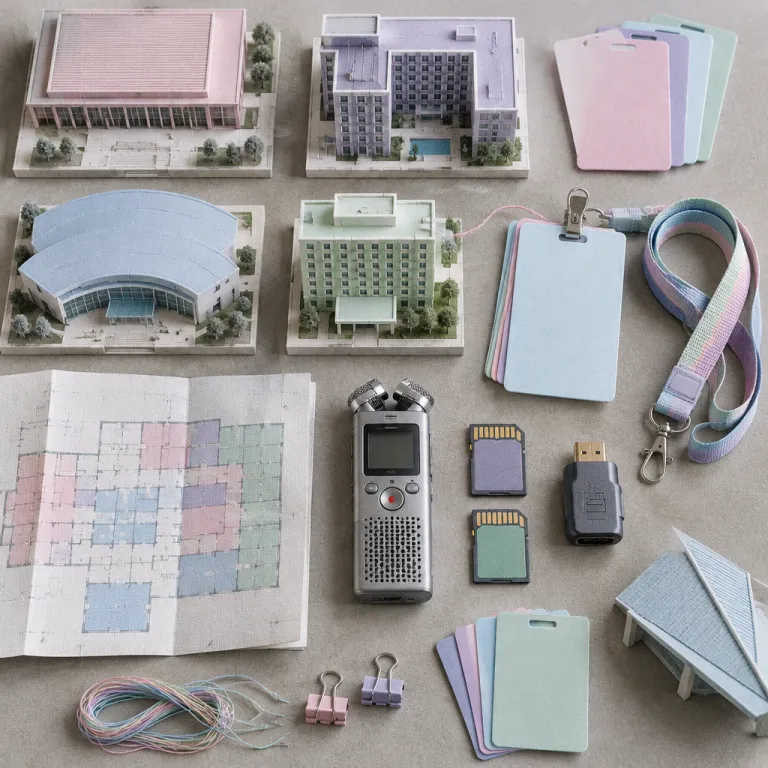
Why assembly buildings and conference centre hotel chain affiliation matter for media business travel
Media business travel relies on fast decisions, flexible contracts, and reliable hotels. For travel managers and corporate buyers, a chain-affiliated network of assembly buildings and conference centres integrated with hotels creates a single, controllable ecosystem for every meeting or event. This combination turns a traditional hotel into a strategic venue that supports both editorial agendas and corporate governance.
When a hotel-conference network is in place, each meeting room and conference room can be sourced under harmonised standards, negotiated rates, and unified rewards. That structure helps finance departments and procurement teams track points, food and beverage costs, and room usage across multiple sites without losing visibility. It also reassures airlines and B2B travel agencies that meetings events and corporate events will run in a predictable, auditable way.
For media organisations, the right hotel and conference centre mix is not only about space but also about broadcast-friendly infrastructure. A state of the art convention center or buildings conference complex with integrated meeting rooms, event rooms, and event spaces can support live streaming, press briefings, and hybrid meetings conferences. Travel managers can then book meeting packages that align with editorial calendars, while still allowing travellers to earn points and enjoy free Wi Fi or upgrades within the same hotel chain affiliation.
Designing meeting space that works for editorial teams and corporate governance
Media companies need meeting space that can switch quickly from a confidential board meeting to a press conference. In a chain-affiliated conference venue, the best meeting room layouts anticipate this dual use and offer flexible walls, acoustic insulation, and plug and play technology. Travel managers should evaluate each venue not only on capacity but also on how fast a meeting event can be reconfigured between internal and external audiences.
Take the example of a European news network organising meetings events across several capitals, including a key summit in Belfast. A hotel with integrated assembly buildings and a dedicated conference centre can provide multiple meeting rooms, a flagship room conference for plenary sessions, and smaller rooms for editorial breakouts. When this is backed by a hotel chain affiliation, the same standards of meeting rooms, rooms inventory, and food and beverage service can be replicated in other cities, reducing operational risk.
Case studies such as the Amerikalinjen hotel meeting rooms capacity in Oslo show how carefully designed meeting space can reshape corporate travel patterns for media and creative industries. Amerikalinjen, for example, combines characterful event spaces with modern audiovisual support and high-speed connectivity across several flexible rooms, allowing both small editorial meetings and larger corporate events to run on the same floor. When travel managers can book meeting solutions that combine distinctive design with reliable technology, they are more willing to centralise meetings conferences in one site. This approach also simplifies duty of care, because every hotel and conference venue in the chain follows the same safety, security, and data protection protocols.
From single venue to networked sites : scaling meetings events across regions
Media business travel rarely stays in one city, and a coordinated hotel-conference network allows programmes to scale across regions. Once a travel manager validates a specific type of meeting room, event rooms configuration, and food and beverage concept in one hotel, the same blueprint can be rolled out to sister hotels. This network effect is particularly valuable for airlines, global agencies, and B2B travel intermediaries that support media clients with frequent meetings events.
In practice, a hotel group that operates a flagship conference centre in Belfast can use that site as a prototype for other buildings conference projects. The same meeting space ratios, conference room technology, and event spaces design can then be adapted for a Perth property or a continental European convention center. When this expansion is supported by a hotel chain affiliation, procurement teams gain a single framework for rates, earn points schemes, and corporate events contracting.
Analyses of how a Perth city hotel group can elevate corporate stays show that consistent standards across sites increase traveller confidence and programme compliance. When travellers know that every hotel in the chain offers comparable meeting rooms, free high speed connectivity, and state of the art audiovisual support, they are less tempted to book outside channels. For travel buyers, this consolidation of meetings conferences into a defined network of conference venues and hotels also strengthens their negotiating position on volume, value added services, and cancellation terms.
Commercial strategy : using rewards, points, and data to align stakeholders
For procurement leaders and finance directors, the commercial logic behind an assembly buildings conference centre hotel chain affiliation is as important as the physical space. A coherent rewards and earn points structure across the hotel chain encourages programme compliance while still giving travellers tangible benefits. Corporate events can then be concentrated in preferred hotels and conference venues, generating measurable volume and stronger leverage in annual negotiations.
Travel managers should treat each conference centre and convention center as a data rich asset rather than a simple venue. By tracking which meeting space configurations, meeting rooms capacities, and food and beverage packages perform best, they can refine future meeting event designs. This data driven approach also helps identify which type of room and rooms allocation patterns minimise no shows and late changes, especially for fast moving media teams.
Commercially, the key is to align incentives between the hotel, the client, and intermediaries such as B2B agencies or airlines. A transparent rewards scheme that recognises both meetings events volume and transient room nights encourages all parties to use the same site network. Travel buyers should also evaluate the hidden cost of distribution across channels and consider analyses of distribution debt and the impact of channels that are never turned off. When the majority of meetings conferences and corporate events are routed through a defined assembly buildings and buildings conference portfolio, cost control and forecasting become significantly easier.
Operational excellence : state of the art infrastructure for hybrid and media heavy events
Media business travel places unusual pressure on hotel and conference infrastructure, especially when events are broadcast or hybrid. A hotel-conference network that invests in state of the art connectivity, lighting, and sound can support live interviews, editorial control rooms, and simultaneous translation. Travel managers should verify that each conference room and meeting room offers redundant bandwidth, secure networks, and flexible rigging points for cameras and microphones.
Operational excellence also depends on how event spaces and event rooms are supported by on site teams. Hotels that specialise in meetings events for media clients often maintain a dedicated technical équipe that understands newsroom workflows, embargoes, and last minute schedule changes. This expertise is particularly valuable in cities such as Belfast, where assembly buildings and historic buildings conference complexes are being repurposed as modern conference venues with integrated hotel capacity.
From an airline or B2B agency perspective, reliable operations reduce disruption costs and protect brand reputation. When a convention center or conference centre within a hotel chain affiliation consistently delivers on time, on spec events, it becomes the default choice for high stakes corporate events. Over time, this operational reliability reinforces the strategic value of the assembly buildings conference centre hotel chain affiliation and justifies further investment in technology, sustainability, and traveller experience enhancements.
Governance, sustainability, and risk management in media focused conference venues
Governance and risk management are central concerns for corporate buyers managing media business travel. An assembly buildings conference centre hotel chain affiliation allows companies to embed compliance, sustainability, and safety standards into every meeting, event, and hotel contract. This framework ensures that each site, from a flagship convention center to a smaller conference centre, follows the same protocols for data privacy, labour practices, and environmental impact.
Sustainability expectations are rising, and many media organisations now assess conference venues and hotels on energy use, waste management, and food and beverage sourcing. Travel managers should request comparable metrics across all buildings conference properties in the chain, including carbon per room night and per meeting event. When these metrics are consistent, finance teams can integrate them into broader ESG reporting and link them to internal rewards or penalties.
Risk management also covers political, reputational, and operational risks associated with high profile meetings conferences and corporate events. Centralising activity within a vetted network of assembly buildings, meeting rooms, and event spaces reduces exposure to untested suppliers and fragmented standards. For B2B agencies and airlines, this concentration of meetings events in trusted hotels and conference venues simplifies crisis response, because they know exactly which partners control each room conference, meeting space, and site at any given time.
Key statistics shaping assembly buildings and conference centre hotel strategies
- According to the Global Business Travel Association, meetings and events typically represent between 15 % and 25 % of a large corporation’s total travel spend, which underlines why centralising meetings conferences in a defined hotel and conference centre network can materially impact budgets.
- Data from STR shows that hotels with significant meeting space and conference room capacity often achieve higher average daily rates than comparable properties without event spaces, reflecting the premium that corporate buyers are willing to pay for integrated venues.
- Research from the Events Industry Council indicates that more than 70 % of corporate events now include some form of hybrid or virtual component, which increases the importance of state of the art technology in every convention center and conference venues portfolio.
- Surveys by the Global Business Travel Association report that a majority of travel managers expect sustainability criteria to influence hotel and conference centre selection for meetings events within the next two to three years, pushing assembly buildings projects to prioritise energy efficiency and responsible food and beverage sourcing.
FAQ : assembly buildings, conference centres, and hotel chain affiliation for media business travel
How does a hotel chain affiliation benefit media focused meetings and events ?
A hotel chain affiliation gives travel managers consistent standards for meeting rooms, rooms inventory, and service across multiple sites. This consistency simplifies contracting, supports earn points and rewards schemes, and reduces operational risk for media organisations. It also allows corporate buyers to consolidate meetings conferences volume and negotiate better terms for conference venues and hotels.
What should travel managers check when selecting an assembly buildings conference centre ?
They should assess meeting space flexibility, audiovisual capabilities, and connectivity, especially for hybrid or broadcast events. It is also essential to review safety, data protection, and sustainability policies across the entire site and hotel. Finally, they should confirm that the conference centre integrates smoothly with the hotel’s rooms, food and beverage operations, and rewards programme.
Why are historic assembly buildings in cities like Belfast attractive for corporate events ?
Historic assembly buildings in Belfast and similar cities often combine architectural character with modernised conference room and meeting room facilities. When these buildings conference complexes are linked to a hotel chain affiliation, they offer both unique venues and reliable service standards. This mix appeals to media brands seeking distinctive backdrops for meetings events without sacrificing operational control.
How can airlines and B2B agencies leverage conference centre networks for media clients ?
Airlines and B2B agencies can integrate preferred assembly buildings and conference centre hotels into bundled offers that include air, accommodation, and meeting event services. By steering clients toward a defined network of hotels and conference venues, they gain better visibility on demand and can coordinate schedules more efficiently. This approach also strengthens their role as strategic partners rather than simple ticket providers.
What role do rewards and points play in meetings and events strategy ?
Rewards and points programmes encourage travellers and organisers to book meeting packages within preferred hotels and conference centres. When earn points schemes recognise both room nights and corporate events volume, they align incentives across travellers, travel managers, and procurement. Over time, this concentration of meetings conferences in a single network improves data quality, negotiation leverage, and overall programme performance.