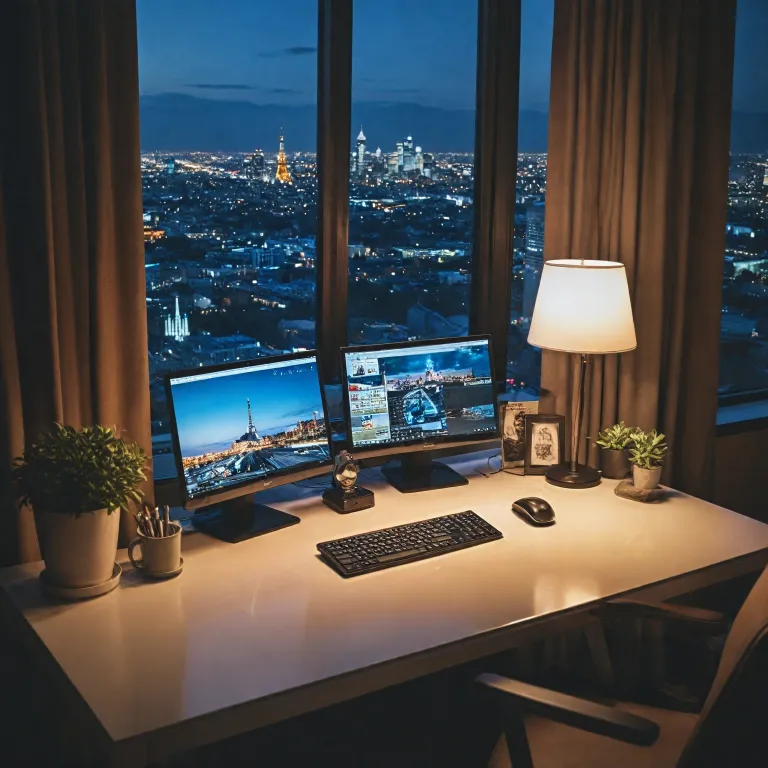
Integrating digital amenities for media engagement in hospitality businesses
Hospitality industry amenities for media have become a cornerstone for hotels aiming to attract and retain media professionals, business travelers, and corporate guests. The integration of digital signage, high-speed connectivity, and smart room technologies is now expected by guests who rely on seamless content creation and sharing. Hotels and hospitality businesses are leveraging these amenities to enhance the guest experience, foster brand awareness, and support the dynamic needs of media outlets and business travelers.
Media hotels are increasingly adopting user generated content strategies, encouraging guests to share their experiences on social media platforms. This not only amplifies the hotel’s reach but also serves as authentic marketing content for potential guests. The hospitality industry recognizes that engaging content and a strong media presence are vital for building trust with both individual guests and corporate clients. Digital marketing and media marketing strategies are now tailored to maximize audience engagement and drive business growth.
Smart room technologies, such as voice-activated assistants and automated lighting, are transforming the guest experience. These amenities enable hotels to provide personalized services, streamline operations, and reduce energy costs by up to 30%. As hospitality businesses continue to innovate, the focus remains on delivering amenities that support both the professional and personal needs of their diverse clientele.
Smart technologies and digital signage: transforming the guest experience
The adoption of digital signage solutions, provided by partners like MediaTile and REACH Media Network, is revolutionizing how hotels communicate with guests and media professionals. Digital signage displays real-time information about hotel amenities, local attractions, and event schedules, enhancing the overall guest experience. This technology also supports media outlets by offering dedicated spaces for content dissemination and public relations activities.
For travel managers and corporate buyers, the ability to customize media strategy and marketing strategy through digital platforms is invaluable. Hotels are now able to target specific audience segments, deliver tailored messages, and measure the effectiveness of their campaigns. The hospitality industry’s embrace of digital marketing tools ensures that both individual and business guests receive relevant, timely information throughout their stay.
With 55% of travelers preferring hotels with self check-in options, smart technologies are not only improving operational efficiency but also meeting the evolving expectations of tech-savvy guests. For more insights into optimizing digital marketing for hospitality, explore advanced digital marketing strategies for hotels. These innovations are setting new standards for hospitality industry amenities for media, positioning hotels as leaders in guest engagement and satisfaction.
Enhancing brand awareness through user generated content and social media marketing
Hospitality businesses are increasingly relying on user generated content to boost brand awareness and reach potential guests. When guests share their experiences on social media, they become brand ambassadors, extending the hotel’s marketing reach far beyond traditional channels. This organic content is highly valued by both media professionals and hospitality marketers, as it reflects genuine guest satisfaction and fosters trust among new customers.
Media marketing strategies now prioritize the integration of social media platforms, enabling hotels to engage directly with their audience and respond to feedback in real time. By encouraging guests to share their stories, hotels can curate a diverse portfolio of engaging content that resonates with a wide range of potential guests. This approach not only strengthens the hotel’s media presence but also supports public relations efforts by showcasing positive guest experiences.
To further enhance their digital footprint, hotels are collaborating with third party platforms and influencers to amplify their message. For a comprehensive guide on leveraging user generated content in hospitality, visit best practices for user generated content in hotels. These strategies are essential for maintaining a competitive edge in the hospitality industry and ensuring sustained business growth.
Personalization and local experiences: tailoring amenities for media and business travelers
Personalization is at the heart of modern hospitality industry amenities for media, with hotels offering tailored experiences that cater to the unique needs of media professionals and business travelers. Digital concierge services, smart room controls, and curated local experiences are now standard offerings in leading media hotels. These amenities not only enhance the guest experience but also support the content creation needs of media outlets and corporate clients.
Hotels are leveraging data-driven insights to anticipate guest preferences and deliver customized services. This approach enables hospitality businesses to provide relevant recommendations, streamline check-in processes, and offer exclusive access to local events and attractions. By prioritizing personalization, hotels can differentiate themselves in a crowded market and attract a loyal base of potential guests.
Local partnerships with media outlets and third party service providers further enrich the guest experience, offering unique opportunities for content generation and media engagement. For travel managers and corporate buyers, these amenities represent a strategic advantage, ensuring that their teams have access to the resources and support needed for successful business travel.
Sustainability and wellness: key trends shaping hospitality industry amenities for media
Sustainability and wellness have emerged as defining trends in the hospitality industry, influencing the development of amenities for media and business travelers. Hotels are implementing energy-efficient technologies, waste reduction programs, and wellness-focused amenities to meet the expectations of environmentally conscious guests. These initiatives not only contribute to a positive brand image but also drive operational efficiencies and cost savings.
Media professionals and corporate clients increasingly seek accommodations that align with their values, prioritizing hotels that demonstrate a commitment to sustainability and guest well-being. The integration of wellness amenities, such as fitness centers, healthy dining options, and relaxation spaces, enhances the overall guest experience and supports the demands of business travel. As one expert notes, "Sustainability practices, such as energy conservation and waste reduction, appeal to environmentally conscious guests and can lead to cost savings and a positive brand image."
Hospitality businesses are also leveraging digital marketing and media strategy to communicate their sustainability efforts to a broader audience. By sharing success stories and engaging content on social media, hotels can attract potential guests who value responsible travel and corporate social responsibility. This focus on sustainability and wellness is redefining the standards for hospitality industry amenities for media.
Measuring impact: analytics, public relations, and future directions in hospitality media amenities
The effectiveness of hospitality industry amenities for media is increasingly measured through advanced analytics and public relations metrics. Hotels are utilizing digital tools to track guest engagement, content reach, and the impact of media marketing campaigns. This data-driven approach enables hospitality businesses to refine their marketing strategy, optimize media presence, and maximize return on investment.
Collaboration with media outlets and third party analytics providers allows hotels to gain deeper insights into audience behavior and preferences. By analyzing user generated content and social media interactions, hotels can identify emerging trends and adapt their offerings to meet the evolving needs of potential guests. This proactive approach to media strategy ensures that hotels remain at the forefront of industry innovation and guest satisfaction.
Looking ahead, the integration of artificial intelligence, augmented reality, and other emerging technologies will continue to shape the future of hospitality industry amenities for media. Hotels that prioritize continuous improvement and invest in cutting-edge solutions will be well positioned to attract media professionals, business travelers, and a diverse global audience.
Key statistics on hospitality industry amenities for media
- 55% of travelers prefer hotels with self check-in options.
- Smart technologies can reduce hotel energy costs by up to 30%.
Frequently asked questions about hospitality industry amenities for media
What are smart room technologies in hotels?
Smart room technologies include voice-activated assistants, smart thermostats, automated lighting, and integrated entertainment systems that enhance guest comfort and operational efficiency.
How does digital signage benefit hotels?
Digital signage improves guest communication by displaying information such as event listings, amenities, and local attractions, and can also be used for marketing and emergency alerts.
Why is sustainability important in hotel amenities?
Sustainability practices, such as energy conservation and waste reduction, appeal to environmentally conscious guests and can lead to cost savings and a positive brand image.