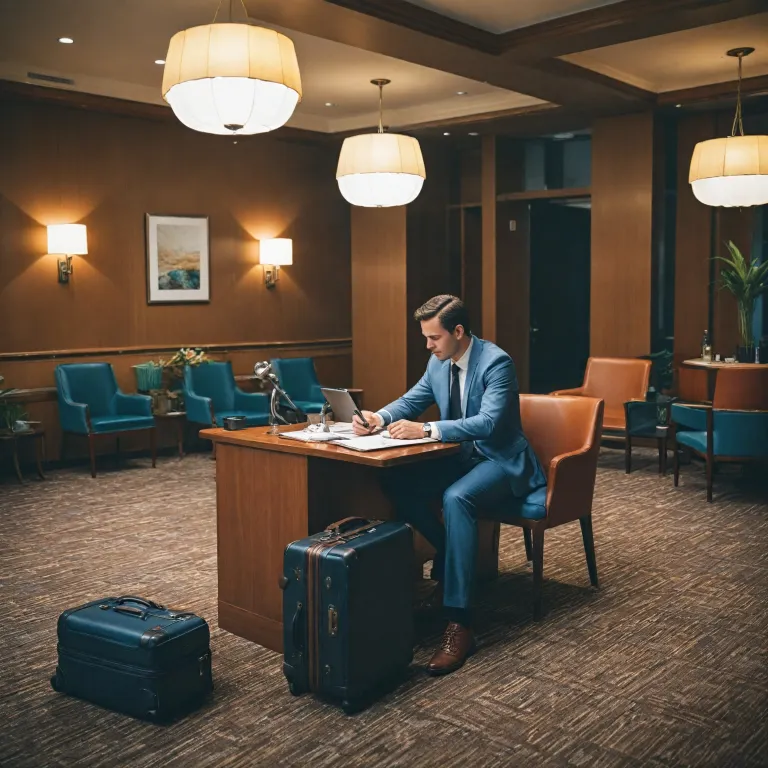
Understanding business travel insurance for media professionals in hospitality
Media professionals engaged in business travel within the hospitality industry face a unique set of risks. The nature of their assignments often requires rapid mobility, frequent changes in location, and the transport of high-value technical equipment. Business travel insurance for media is designed to address these challenges, offering tailored coverage that goes beyond standard travel insurance policies.
Insurance providers such as Chubb, Aon, battleface, and LMP Group have developed specialized products for media professionals. These policies typically include coverage for equipment, liability, and medical emergencies, ensuring that both individuals and their organizations are protected. For travel managers and corporate buyers, understanding the nuances of these insurance options is essential to safeguarding both personnel and assets during assignments.
Liability insurance is a cornerstone of these policies, covering risks such as defamation, copyright infringement, and public liability. Media professionals, including videographers and freelancers, benefit from indemnity insurance and production insurance that protect against claims arising from their work. The integration of annual and short-term policy options allows companies to adapt coverage to the frequency and duration of assignments, ensuring flexibility and comprehensive protection.
As the demand for tailored insurance solutions grows, the hospitality industry must prioritize the selection of policies that address the specific needs of media professionals. This includes ensuring that insurance cover extends to all aspects of production, from film and videography business operations to the safeguarding of camera equipment and other technical assets. By doing so, organizations can mitigate risks and maintain operational continuity in a dynamic and often unpredictable environment.
Key coverage components: liability, equipment, and production insurance
Business travel insurance for media professionals encompasses a range of coverage components designed to address the multifaceted risks of the industry. Liability insurance remains a critical element, offering protection against claims related to professional activities, including general liability and professional indemnity. This is particularly relevant for film production teams, videographers, and freelancers who may be exposed to legal actions arising from their work.
Equipment insurance is another vital aspect, providing coverage for loss, theft, or damage to technical equipment such as cameras, lighting, and sound gear. Given the high value of these assets, comprehensive equipment insurance is essential for both individual videographers and larger production companies. Providers like battleface and Chubb offer policies that specifically address the needs of media professionals, ensuring that equipment is protected throughout the duration of business travel.
Production insurance extends coverage to the broader scope of media assignments, including film and videography business operations. This type of insurance cover is designed to protect against disruptions caused by unforeseen events, such as equipment failure or property damage. For travel managers and corporate buyers, selecting policies that include production insurance is crucial to minimizing financial losses and maintaining project timelines.
Annual and short-term policy options provide flexibility for organizations with varying travel schedules. By choosing the appropriate policy type, companies can ensure that their media professionals are protected during both routine and high-risk assignments. For further insights on optimizing insurance cover for media business travel, explore our dedicated resource on corporate travel risk management.
Risk management strategies for media assignments in hospitality
Effective risk management is essential for media professionals undertaking business travel within the hospitality sector. Assessing the specific risks associated with each assignment location is the first step in developing a comprehensive risk mitigation plan. This includes evaluating the security environment, local regulations, and potential health hazards that may impact the safety of personnel and equipment.
Insurance policies tailored for media professionals often include provisions for emergency medical coverage, evacuation, and repatriation. These features are particularly important for assignments in high-risk areas, where access to medical facilities may be limited. As stated in the dataset, "Some policies, such as those offered by battleface, provide coverage for journalists traveling to high-risk areas, including conflict zones." This level of protection ensures that media professionals can focus on their work without undue concern for their personal safety.
Protecting technical equipment is another critical aspect of risk management. Equipment insurance and property insurance cover loss, theft, or damage to essential gear, enabling media teams to maintain operational continuity. For organizations managing multiple assignments, annual policies offer streamlined administration and consistent coverage across all projects.
To further enhance risk management, companies should maintain up-to-date records of insurance policies, emergency contacts, and equipment inventories. This proactive approach facilitates rapid response in the event of an incident and supports the claims process. For more detailed guidance on risk management strategies, refer to our article on travel risk assessment for media professionals.
Tailored insurance solutions: annual, short-term, and freelancer coverage
The diversity of media assignments within the hospitality industry necessitates flexible insurance solutions. Annual policies are ideal for organizations with ongoing business travel needs, providing continuous coverage for all media professionals under a single policy. This approach simplifies administration and ensures that coverage is always in place, regardless of assignment frequency.
Short-term policies offer targeted protection for specific projects or assignments. These policies are particularly useful for freelancers, videographers, and production teams engaged in temporary work. Freelancer insurance and videographer insurance are designed to address the unique risks faced by independent professionals, including liability, equipment, and production-related exposures.
Company insurance options can be customized to include public liability, indemnity insurance, and equipment insurance, ensuring comprehensive protection for all aspects of media production. As highlighted in the dataset, "Yes, providers like battleface offer optional equipment coverage for media professionals, protecting against loss, theft, or damage." This level of customization allows organizations to align their insurance cover with the specific requirements of each assignment.
For travel managers and corporate buyers, selecting the right mix of annual, short-term, and freelancer policies is essential to managing risk and controlling costs. By working with specialized insurance providers, organizations can develop tailored solutions that address the full spectrum of risks associated with media business travel.
Claims management and best practices for media business travel
Efficient claims management is a critical component of business travel insurance for media professionals. Prompt reporting of incidents, accurate documentation, and clear communication with insurance providers are essential to ensuring successful claims outcomes. Organizations should establish standardized procedures for reporting and managing claims, including the collection of supporting evidence such as photographs, police reports, and equipment inventories.
Insurance providers specializing in media coverage, such as Chubb and Aon, offer dedicated support teams to assist with claims processing. These teams understand the unique challenges faced by media professionals and can provide guidance on navigating complex claims scenarios. As noted in the dataset, "Media liability insurance often covers risks such as defamation, invasion of privacy, copyright and trademark infringement, and negligent publication." Understanding the scope of coverage is essential to maximizing the benefits of insurance policies.
Regular training for media professionals and administrative staff can further enhance claims management. By familiarizing personnel with policy terms, coverage limits, and claims procedures, organizations can reduce the risk of errors and delays. Maintaining up-to-date records of insurance policies and emergency contacts supports rapid response in the event of an incident.
Continuous review and optimization of insurance strategies are recommended to ensure alignment with evolving risks and industry best practices. By fostering a culture of risk awareness and proactive management, organizations can protect their media professionals and assets during business travel assignments.
Emerging trends in business travel insurance for media in hospitality
The landscape of business travel insurance for media professionals is evolving in response to emerging risks and technological advancements. There is a growing demand for tailored insurance solutions that address the specific needs of media professionals in the hospitality industry. Digital platforms are increasingly being used to facilitate real-time policy management, enabling organizations to adapt coverage quickly in response to changing circumstances.
Enhanced focus on equipment coverage reflects the high value and critical importance of technical equipment in media production. Insurance providers are developing innovative products that offer comprehensive protection for camera equipment, lighting, and other essential gear. As media assignments become more complex and geographically diverse, the need for flexible and responsive insurance cover continues to grow.
Collaboration between insurance providers, professional associations, and hospitality organizations is driving the development of best practices and industry standards. By leveraging digital tools and data analytics, companies can better assess risks, optimize coverage, and streamline claims management. For travel managers and corporate buyers, staying informed about emerging trends is essential to maintaining effective risk management strategies.
Organizations are encouraged to regularly review their insurance policies and engage with providers to ensure that coverage remains aligned with current and future needs. By embracing innovation and adopting a proactive approach to risk management, the hospitality industry can enhance the safety and security of media professionals during business travel assignments.
Practical guidance for travel managers and corporate buyers
Travel managers, corporate buyers, and hospitality leaders play a pivotal role in ensuring the safety and security of media professionals during business travel. Assessing the specific risks associated with each assignment location is a fundamental step in selecting appropriate insurance cover. This includes evaluating the need for liability insurance, equipment insurance, and production insurance based on the nature of the assignment and the value of assets involved.
Ensuring that insurance policies cover equipment loss or damage is particularly important for media professionals who rely on technical equipment for their work. As recommended in the dataset, "Ensure your insurance covers equipment loss or damage." Verifying the extent of medical coverage, especially in high-risk areas, is also essential to safeguarding personnel health and well-being.
Maintaining accessible records of insurance policies and emergency contacts supports rapid response in the event of an incident. Organizations should establish clear protocols for policy management, claims reporting, and communication with insurance providers. Regular training and awareness programs can further enhance risk management and ensure that all stakeholders are prepared to respond effectively to emergencies.
By prioritizing comprehensive insurance strategies and fostering a culture of risk awareness, travel managers and corporate buyers can protect their organizations, personnel, and assets.
Key statistics on media liability and insurance in hospitality
- Average initial jury award in media liability cases: 2,600,000 USD (Media Law Resource Center Report).
Frequently asked questions about business travel insurance for media
What does media liability insurance typically cover?
Media liability insurance often covers risks such as defamation, invasion of privacy, copyright and trademark infringement, and negligent publication.
Are there insurance options that cover equipment for media professionals?
Yes, providers like battleface offer optional equipment coverage for media professionals, protecting against loss, theft, or damage.
Do these insurance policies cover travel to high-risk areas?
Some policies, such as those offered by battleface, provide coverage for journalists traveling to high-risk areas, including conflict zones.