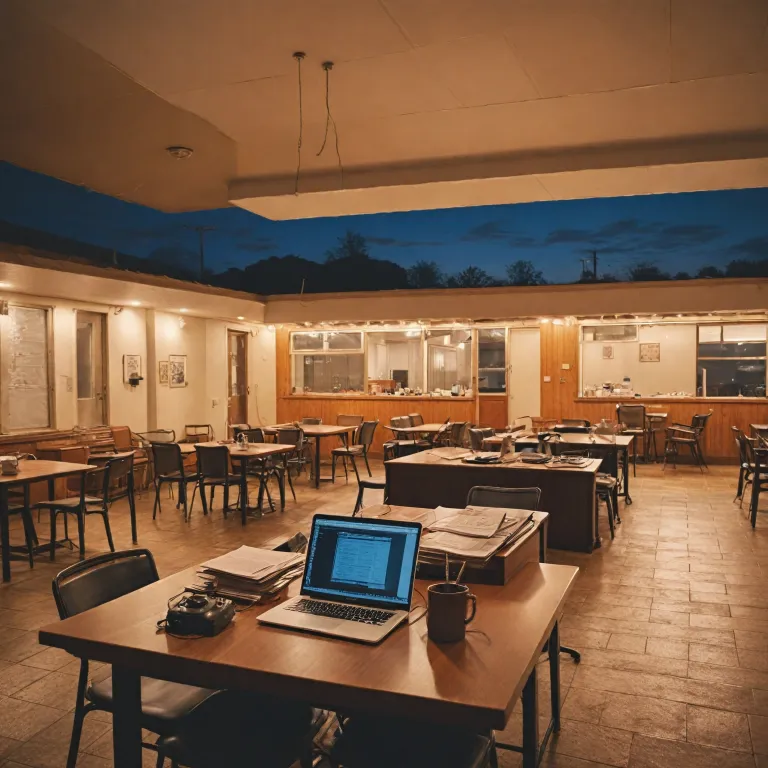
Redefining budget motel value for media business travel programs
For media business travel, the traditional image of a roadside motel is rapidly evolving. Travel managers now evaluate each budget motel as a tactical asset within a wider accommodation portfolio, balancing budget constraints with duty of care and productivity. When a motel is well located near studios, airports, or client offices within a few miles, it can reduce transfers, simplify access, and free resources for core editorial or production work.
Unlike a classic leisure hotel, a media focused budget property must support irregular schedules, late check ins, and early departures. Buyers therefore scrutinize rooms and motel amenities with the same rigor they apply to higher tier hotels, checking whether each room is air conditioned, whether the bed quality supports restorative sleep, and whether high speed internet access is robust enough for large file transfers. In many cases, comfortable rooms in a budget motel located near key media hubs can outperform more expensive hotels that lack convenient parking or flexible service patterns.
Corporate policies increasingly reference specific criteria for any motel used on assignment. These include reliable wifi and wired internet, clear privacy policy wording, transparent free parking conditions, and documented safety standards. For production crews carrying equipment, ground floor rooms with exterior access and secure parking are often preferred, especially when a motel offers free internet and in room refrigerator units to store perishable props or samples. When buyers reserve rooms in advance, they can negotiate added amenities such as extended cable television packages, late check out, or bundled breakfast, which help teams stay budget compliant without sacrificing comfort or productivity.
Operational realities of media crews in budget motels
Media professionals on assignment rarely follow a nine to five rhythm, and their accommodation needs reflect this reality. A budget motel that welcomes late arrivals, offers twenty four hour internet access, and maintains friendly front desk service becomes a practical base for crews working night shoots or early live broadcasts. When travel managers assess motels, they look beyond the nightly budget and examine how the property’s amenities align with unpredictable call sheets and compressed production timelines.
In this context, the layout of rooms and parking areas matters as much as rate. Exterior access to each room allows camera operators and sound engineers to move equipment quickly between vehicles and air conditioned interiors, reducing setup time and exposure to heat or cold air. Free parking close to the rooms is particularly valuable when vans carry sensitive gear that cannot be left unattended far from the motel; it also limits shuttle costs and simplifies insurance compliance for corporate fleets.
Connectivity remains the non negotiable amenity for media business travel. Crews need high speed wifi and stable cable or fiber backed internet to upload rushes, download scripts, and coordinate with editors in other cities or countries. A motel that advertises free internet but delivers weak bandwidth will quickly lose its place in a preferred program, whereas a property that invests in robust internet access and clear service level communication can shop great corporate partnerships. When buyers reserve rooms, they often request technical details about cable television feeds, router capacity, and backup solutions, ensuring that every stay in comfortable rooms supports both creative output and financial discipline.
Negotiating with budget motels for corporate media contracts
For travel managers and procurement leaders, the fragmented nature of the budget motel landscape presents both challenges and opportunities. Chains such as Budget Host and legacy brands like Budgetel, now operating under different flags, coexist with independent properties that may lack sophisticated sales teams but offer flexible terms. By approaching these motels with structured media business travel requirements, buyers can secure rates that respect budget constraints while elevating motel amenities to corporate standards.
Negotiations typically start with a detailed specification of rooms, internet access, and safety expectations. Buyers outline the need for air conditioned rooms with quality bed linens, reliable wifi, and cable television that supports international news channels relevant to journalists and executives. They also clarify expectations around free parking, transparent privacy policy documentation, and the ability to reserve rooms in blocks for crews who may extend their stay if a shoot overruns; this reduces last minute displacement and protects continuity for both the hotel and the client.
Volume based agreements can transform a modest motel located near a regional airport into a strategic partner for recurring assignments. When agencies and airlines coordinate crew rotations, they value predictable service, friendly staff, and clear escalation paths more than decorative amenities. Procurement teams may request periodic reporting on internet performance, parking usage, and guest feedback, aligning motel service delivery with corporate KPIs. Over time, a well managed budget motel that consistently helps teams stay budget compliant can gain preferred status, benefiting from steady occupancy while offering media travelers comfortable rooms and dependable amenities at a sustainable cost.
Risk management, safety, and privacy in budget motel stays
Media business travel often involves sensitive interviews, embargoed content, and high value equipment, which elevates risk management expectations for any motel. Travel managers therefore assess not only the visible cleanliness of rooms and public areas but also the robustness of security protocols and the clarity of each property’s privacy policy. They examine how guest data is handled, how internet access is secured, and whether parking areas are monitored, lit, and designed to minimize blind spots.
When a budget motel is located near transport corridors or industrial zones, the surrounding environment can influence perceived and actual risk. Buyers may request information about surveillance coverage, room access controls, and coordination with local authorities, particularly when crews arrive late at night or depart before dawn. Safety briefings for travelers often include guidance on using free parking areas, securing equipment inside rooms with solid doors, and verifying that air conditioned units and cable connections are properly maintained to avoid electrical hazards.
Digital security is equally critical, especially when journalists upload footage or executives handle confidential documents over motel wifi. Corporate IT teams may require encrypted internet access, segmented guest networks, and clear rules against sharing passwords between rooms. Some organizations provide mobile hotspots as a backup when motel internet performance is uncertain, but they still prefer properties that invest in high speed infrastructure and transparent service descriptions. By integrating these criteria into preferred supplier lists, travel managers ensure that every stay budget aligned also respects duty of care, enabling travelers to enjoy comfortable rooms, reliable amenities, and friendly service without compromising safety or confidentiality.
Data driven selection of budget motels for media travel programs
As media organizations professionalize their travel management, the selection of each budget motel increasingly relies on data rather than anecdote. Travel managers aggregate feedback from travelers, compare nightly budget performance, and analyze how often crews request changes due to poor wifi, inadequate rooms, or inconvenient parking. Over time, this data reveals which motels consistently deliver comfortable rooms, reliable internet access, and friendly service that supports demanding production schedules.
Online booking platforms have accelerated this shift by centralizing reviews and enabling corporate rate loading. Guidance such as “Book in advance to secure the best rates”, “Check for additional fees such as resort fees or parking charges”, and “Read recent reviews to ensure quality and safety” has become standard practice for both individual travelers and centralized booking desks. For media business travel, these reviews are filtered through a professional lens, focusing on high speed connectivity, air conditioned rooms, and the practicality of motel amenities for equipment heavy teams.
Quantitative indicators complement qualitative feedback, helping procurement compare a motel located near a regional broadcast hub with a hotel in the city center. Metrics such as average nightly rate, frequency of complaints about internet access, and utilization of free parking inform negotiations and preferred supplier decisions. When data shows that a specific budget motel enables teams to stay budget compliant while maintaining productivity, it strengthens the case for long term agreements. Conversely, repeated issues with cable television reliability, room cleanliness, or unclear privacy policy wording can lead to delisting, encouraging properties to invest in better amenities and more transparent service communication.
Strategic positioning of budget motels in media travel policies
Within corporate travel policies for media organizations, the role of the budget motel is shifting from last resort to carefully defined segment. Policy writers now specify when a motel is appropriate, such as short assignments within a few miles of a regional airport, or overnight stays near remote filming locations where full service hotels are unavailable. By articulating these scenarios, they help travel managers, agencies, and airlines align booking behavior with both budget objectives and traveler wellbeing.
Clear guidelines address minimum standards for rooms, motel amenities, and connectivity. Policies may state that every room must be air conditioned, offer free wifi or wired internet access, and include a bed of defined quality, a functional refrigerator, and access to cable television with news channels. They also clarify expectations for free parking, outlining when travelers may choose a hotel over a motel if parking is not available or if the motel located near the assignment fails to meet safety or privacy policy requirements; this balance protects both cost control and duty of care.
Communication is essential to ensure that travelers understand why certain properties are preferred and how to reserve rooms correctly. Training for bookers and travelers explains how to shop great options within approved tools, how to evaluate internet descriptions, and how to report issues with service or amenities. When policies emphasize that staying in comfortable rooms at a well managed budget motel is not a downgrade but a strategic choice, adoption improves. Over time, this alignment between policy, practice, and traveler experience strengthens the overall media business travel program and reinforces trust between finance, procurement, and on the ground teams.
Key quantitative insights on budget motels for media travel
- Average nightly rate for budget motels in the United States is around 50 USD, which can significantly reduce accommodation spend for media business travel programs.
- Approximately 25 % of lodging units in the United States are classified as upscale budget motels, expanding the range of properties suitable for corporate and media travelers.
Frequently asked questions about budget motels in media business travel
What amenities are typically offered at budget motels?
Budget motels usually provide basic amenities such as a bed, bathroom, and sometimes free Wi-Fi or breakfast. For media travelers, these amenities are evaluated alongside parking convenience, internet reliability, and room layout to ensure operational efficiency.
How do budget motels differ from budget hotels?
Budget motels often have exterior room entrances and are designed for motorists, while budget hotels typically have interior corridors and may offer more amenities. Media travel managers consider these structural differences when assessing equipment movement, parking security, and crew logistics.
Are budget motels safe?
Safety varies by location and establishment; it's advisable to read recent reviews and check for security features. Corporate buyers also review privacy policy wording, lighting in parking areas, and the robustness of internet access security before approving properties.
How should media organizations choose a budget motel for crews?
Media organizations should prioritize motels with reliable high speed internet, air conditioned rooms, secure free parking, and flexible check in and check out options. They should also verify that motel amenities align with production needs and that the property can reserve rooms in blocks for changing schedules.
Can budget motels support long stays for extended media projects?
Many budget motels can support longer stays if they offer comfortable rooms, laundry access, and consistent service quality. Travel managers typically negotiate favorable rates, confirm internet performance, and ensure that amenities such as refrigerators and cable television meet crew expectations over time.